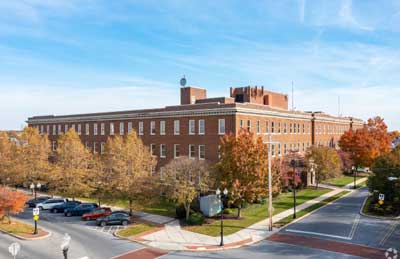
Harrisburg is Pennsylvania's seat of government and one of its most impoverished cities — a majority-Black, majority-minority capital where political power has always been highly visible and community investment has never fully kept pace with community need. It is the city closest to Three Mile Island. Its neighborhoods of Allison Hill and Steelton carry some of the most concentrated and least-addressed trauma burdens in southcentral Pennsylvania. Every Harrisburg resident deserves access to the most qualified trauma specialists in the state. That care is available now — at home through telehealth, or in person at our Lancaster office just 40 miles southeast on Route 283.
Harrisburg occupies a paradoxical position in Pennsylvania's geography and psychology: it is the political center of a Commonwealth of 13 million people, the address of the Governor's Residence and the Capitol dome visible for miles along the Susquehanna River — and it is simultaneously one of the most economically distressed cities in the state, a majority-Black city with poverty rates that consistently rank among the highest of any Pennsylvania municipality, and a community whose proximity to power has never reliably translated into the clinical resources or specialized mental health infrastructure its residents require.
The Harrisburg metro area encompasses Dauphin County and its neighbors — roughly 600,000 people in a region defined by the sharp contrast between the concentrated disadvantage of the city's urban core and the comparative affluence of its surrounding suburbs. Allison Hill, South Harrisburg, and the North Street corridor carry the concentrated weight of poverty, housing instability, neighborhood violence, and the chronic stress of communities under-resourced for generations. Ten miles south along the Susquehanna, the cooling towers of Three Mile Island — site of the 1979 partial nuclear meltdown, the worst commercial nuclear accident in American history — remain a feature of the Harrisburg skyline and the psychological landscape of everyone who has grown up within sight of them. Steelton, directly south of the city, carries its own layered legacy of industrial labor, documented racial segregation in the steel mill era, and the post-industrial grief of a community built entirely around work that contracted without the community's consent.
At Advanced Counseling and Research Services, our licensed trauma specialists serve Harrisburg residents through secure telehealth and through in-person appointments at our Lancaster office, approximately 40 miles southeast on Route 283. Every Harrisburg resident — in Allison Hill, in Midtown, in Steelton, in the suburban communities of Dauphin County — deserves access to the most qualified trauma specialists in Pennsylvania. Healing starts here.
Pennsylvania's Capital, One of Its Most Underserved Cities — Harrisburg's Unmet Trauma Burden
Harrisburg's trauma landscape is shaped by a combination of forces specific to its history, its demographics, its environmental legacy, and its unique position as a city where political power is conspicuously present and community investment has been chronically insufficient. Our certified clinical trauma professionals are trained to work with all of these realities:
Three Mile Island and the long aftermath of environmental trauma: On March 28, 1979, a cooling system failure at the Three Mile Island Unit 2 reactor, ten miles south of Harrisburg on the Susquehanna River, produced a partial nuclear core meltdown — the most serious commercial nuclear accident in American history. The days that followed saw Governor Thornburgh recommend the evacuation of pregnant women and young children within five miles of the plant; a partial evacuation affecting tens of thousands of area residents; and a sustained period of uncertainty and fear whose psychological impact on the surrounding community was extensively documented and has never been fully addressed clinically. Research conducted in the years after TMI identified measurable elevations in stress-related symptoms, anxiety, and post-traumatic stress indicators in residents closest to the plant. More than four decades later, families who lived through the incident — and the children and grandchildren who inherited the ambient anxiety of a community that once faced a nuclear crisis — carry psychological residue that has clinical names and treatment pathways. ACRS's certified clinical trauma professionals are trained in environmental and technological disaster trauma, including its multigenerational transmission.
Hurricane Agnes (1972) and flood trauma along the Susquehanna: In June 1972, Hurricane Agnes produced the most destructive flood in Pennsylvania history, inundating much of downtown Harrisburg and the surrounding Susquehanna River communities. For Harrisburg-area residents, Agnes left both the direct trauma of families who lost homes, businesses, and possessions — and the specific ambient anxiety of living in a flood-prone city on a major river, where climate change has made comparable events more rather than less likely. ACRS's certified clinical trauma professionals are trained in disaster and environmental trauma, including the chronic anxiety of communities living in the documented aftermath of catastrophic flooding.
State government workers, political staff, and occupational trauma: Harrisburg's status as the state capital creates a significant population of government workers, legislators' staff, lobbyists, advocates, and political appointees whose professional lives produce specific occupational stressors that generalist mental health settings are rarely organized to address. The concentrated pressure of political environments, the moral injury that accumulates in people working within systems whose outcomes do not always reflect their intentions, the grief of careers in public institutions that produce results inconsistent with the values that drew professionals to them — these are real clinical burdens. ACRS provides specialized care for moral injury and occupational trauma with the confidentiality Harrisburg's government and professional communities require.
Veterans and first responders in a high-demand capital city environment: Harrisburg's veterans return to a city carrying concentrated urban trauma demands of its own. The city's police officers, firefighters, and EMS professionals work an environment shaped by community violence, overdose, poverty-related emergency, and the intensity of response in a dense city whose most vulnerable neighborhoods generate the highest call volumes. The cumulative psychological cost of that work — accumulated over careers in a professional culture that has never made room for acknowledging it — is a specific clinical burden. Telehealth provides access to specialized care from home, with complete confidentiality and no department visibility.
Opioid and fentanyl epidemic in communities with acute underlying vulnerability: Harrisburg's opioid epidemic has been particularly severe in the city's most under-resourced neighborhoods, where the underlying conditions — unaddressed trauma, concentrated poverty, limited economic opportunity, and chronic stress — were already elevated before the epidemic arrived. Recovery without treating underlying trauma consistently fails. ACRS's certified clinical trauma professionals address both, through telehealth or in person at our Lancaster office.
ACRS's certified clinical trauma professionals are trained specifically to work with complex, layered trauma — not just acute single-event PTSD. Whether you are in Allison Hill, Midtown Harrisburg, Steelton, Penbrook, Paxtang, Middletown, or anywhere across Dauphin County, we meet you where you are.
Why Harrisburg Residents Choose ACRS
Personalized, Trauma-Informed Care — Via Telehealth or In Person, 40 Miles East in Lancaster
We work collaboratively with you to develop a Trauma-Informed Care Plan that addresses your specific needs and goals.
One-on-one sessions with a certified traumatologist — via secure video on your phone, tablet, or computer, or in person at our Lancaster office approximately 40 miles from Harrisburg on Route 30.
Secure, HIPAA-compliant video therapy from the comfort and complete privacy of your own home — no waiting room, no neighborhood visibility, no one in Harrisburg who needs to know.
A highly personalized, private approach to care with maximum flexibility and attention — particularly well-suited to Harrisburg's government professionals, political staff, and others in high-visibility roles for whom discretion is not optional.
Specialized, compassionate PTSD care for Harrisburg veterans and active military families — via telehealth at home, or in person at our Lancaster office. You served. You deserve care that honors what you have been through, with the depth and specialization that Harrisburg's existing clinical infrastructure cannot consistently provide.
First Responders
Harrisburg's police officers, firefighters, and EMS professionals work in one of Pennsylvania's highest-demand urban environments — carrying the cumulative weight of concentrated urban crisis response in a professional culture that has never made room for acknowledging its cost. Our trauma specialists understand that culture and provide completely confidential care on your schedule, from your home, with no department visibility and no waiting room in your community.
TMI and Environmental Trauma Survivors
ACRS offers specialized care for residents affected by the Three Mile Island nuclear incident and its lasting psychological legacy — including the specific anxiety of living in a community with a documented nuclear disaster history, the intergenerational transmission of that anxiety, and the chronic ambient stress that proximity to TMI has produced in the Harrisburg community for more than four decades. If you grew up near Three Mile Island, or your family did, and that history has left anxiety that has never had a clinical name, we can help.
Government and Public Service Professionals
The specific occupational stressors of careers in Pennsylvania state government — the moral injury that accumulates in public servants working within systems whose outcomes don't always reflect their intentions, the high-visibility pressure of political environments, the grief of professional work that falls short of the values that drove it — deserve specialized clinical attention provided with the absolute confidentiality Harrisburg's professional community requires. Telehealth means your sessions are known only to you.
Survivors of Domestic Violence
Individuals With Substance Use Disorders
Two Ways to Access Care: Telehealth at Home, or In Person in Lancaster
Harrisburg has mental health providers. What it has never had in adequate supply is the level of specialized, certified clinical trauma expertise — the depth of clinical focus on the specific categories of trauma that Harrisburg's communities carry — that this city's history and demographics require. Certified traumatologists are not the same as generalist counselors. The difference matters most for communities whose trauma histories are layered, specific, and long unaddressed.
ACRS's Lancaster office is approximately 40 miles from downtown Harrisburg — a 40- to 45-minute drive on Route 283. For Harrisburg residents who want in-person access to certified traumatologists, that drive is entirely practical on a consistent basis. For those who prefer telehealth — for privacy, scheduling, childcare, transportation, or simply because they want care delivered to their home — our secure video platform delivers identical clinical quality. For Harrisburg's government and professional community, telehealth offers an additional dimension: your sessions are known only to you, with no professional visibility and no colleague-recognition risk.
Our Lancaster office is at 313 W Liberty St STE 224, Lancaster, PA 17603 — approximately 40 miles from downtown Harrisburg via Route 283. Whether you choose telehealth or in-person care, your first step is a free, confidential 10-minute consultation.
Here is what Harrisburg clients tell us they value:
Specialization that Harrisburg's own provider pool cannot match — certified traumatologists with advanced credentials and focused clinical depth, including specific training in environmental and technological disaster trauma, moral injury in public service, and complex PTSD.
Real choice — telehealth at home or a 40-minute drive to Lancaster; both options deliver the same quality of specialized, certified clinical trauma care.
Complete privacy — especially important for Harrisburg's government and political professionals, for whom local waiting rooms carry particular visibility consequences, and for community members in tight-knit urban neighborhoods where help-seeking has always carried social meaning.
Unique expertise in TMI environmental trauma — one of the very few clinical practices in Pennsylvania with specific training in technological disaster trauma and its multigenerational transmission.
Sessions that fit your schedule — including evenings through Thursday, because Harrisburg's working families, shift workers, and government professionals cannot always access care during standard business hours.
It works. Evidence-based telehealth therapy delivers outcomes fully comparable to in-person care for trauma, anxiety, and PTSD.
ACRS Treatment Modalities for Anxiety, Trauma, and PTSD
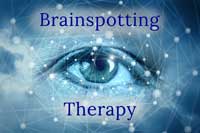
Brainspotting operates on the principle that where you look affects how you feel. A therapist helps you identify "brainspots" — eye positions linked to stored emotional experiences or trauma in the brain. By maintaining focus on the brainspot while fostering mindfulness and connection, the brain processes and releases unresolved emotions at a profound neurobiological level.
Brainspotting is effective for PTSD, Anxiety, Depression, chronic pain, and performance issues — and is particularly well-suited to the layered, often pre-verbal trauma carried by many Harrisburg residents: the environmental anxiety produced by TMI's long aftermath, the intergenerational transmission of racial trauma in Allison Hill and Steelton, the chronic somatic stress of concentrated poverty, the accumulated moral weight of careers in public service, and the occupational trauma of first responders whose bodies carry what their professional culture never allowed them to put into words. These are precisely the kinds of wounds that neurobiological approaches reach most directly.
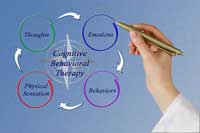
CBT is a short-term, goal-oriented psychotherapy that helps you identify and challenge unhelpful thought patterns and develop healthier coping mechanisms. It is highly effective for Anxiety, Depression, and PTSD — and its structured, outcome-focused approach resonates with Harrisburg residents who want measurable progress, including government and public service professionals who think in terms of goals and results, veterans and first responders who value concrete structure, and community members who want skills they can apply to their daily lives immediately.
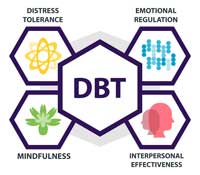
DBT teaches four core skill sets — Mindfulness, Distress Tolerance, Emotion Regulation, and Interpersonal Effectiveness — to help you navigate overwhelming emotions and build healthier relationships. Especially effective for borderline personality disorder, self-harm, and suicidal ideation.
EMDR (Eye Movement Desensitization and Reprocessing) is a gold-standard treatment for trauma and PTSD. It involves recalling disturbing memories while focusing on bilateral stimulation, helping your brain reprocess traumatic memories and reduce their emotional intensity. Effective for PTSD, Anxiety, Phobias, and other trauma-related conditions.
Exposure and Response Prevention (ERP) Therapy
ERP is the gold-standard, evidence-based treatment for OCD and related Anxiety Disorders. It involves gradually exposing you to feared thoughts or situations while helping you resist compulsive responses — breaking the OCD cycle and restoring your sense of control.
PE is a type of CBT used to treat PTSD and Anxiety disorders. It involves gradually confronting feared memories and avoided situations in a safe environment. Through repeated exposure, the anxiety associated with trauma triggers diminishes over time — helping you reclaim your life.
Narative Therapy
Narrative Therapy: Encourages you to tell your story, helping you understand and reclaim your own experiences — including the stories of Harrisburg families who lived through the TMI evacuation order and spent the following decades carrying an ambient dread that the broader national narrative never fully acknowledged; of Puerto Rican community members whose journey to Harrisburg involved losses and dislocations that a city organized around government work rarely created space to hear; of Allison Hill and Steelton residents whose neighborhoods' histories include documented racial segregation, concentrated poverty, and the specific grief of living in proximity to political power without consistently benefiting from it; of government workers who came to Harrisburg to make things better and have spent careers finding places to put what that has cost them; and of veterans who came home to a capital city that celebrated them and had nothing specialized to offer.
Somatic Experiencing
Focuses on your body's physical response to trauma and works to release stored tension — particularly valuable for Harrisburg residents whose chronic stress of urban poverty, racial trauma, environmental anxiety, or the accumulating demands of high-pressure professional and public service careers has left the nervous system in a state of vigilance that doesn't resolve when the immediate stressor passes. For anyone whose body has been carrying the specific burdens of Harrisburg's history — visible or invisible, named or not — somatic work reaches what talk therapy alone may not.
Meditation and deep breathing to help manage trauma-related stress and Anxiety — practices that can be grounded in the specific landscape Harrisburg residents inhabit: the Susquehanna River at different seasons, City Island, Riverfront Park, the particular quiet available in the city's residential neighborhoods in the early morning, and the stillness available in any home when the day's demands have briefly receded. Mindfulness does not require a special location. It requires a clinical framework and consistent practice. ACRS provides both.
Psychoeducation
Understanding trauma and its effects — including the specific clinical dimensions of environmental and technological disaster trauma, the intergenerational transmission of community-scale events like TMI, the moral injury in public service and first responder careers, and the neurobiology of how unaddressed trauma changes the nervous system over time — to help you understand your own experience in terms that are accurate, specific, and genuinely applicable to life in Harrisburg. Understanding what has happened to you, and why your responses make complete clinical sense, is itself part of healing.
Our Experienced Anxiety, Trauma, and PTSD Counselors
Our counselors are trained in Trauma-Informed Care and have extensive experience helping individuals heal from traumatic experiences — including the specific and layered trauma of Harrisburg's communities: the environmental legacy of Three Mile Island, the moral injury and occupational stress of government workers and first responders, and the people who have been carrying all of this in a state capital where political power has always been nearby and specialized clinical support has never fully kept pace with the need.
Choose Harrisburg's Anxiety, PTSD, and Trauma Experts
Specialized Expertise That Harrisburg's Provider Pool Cannot Match: Certified Traumatologists with advanced credentials in evidence-based trauma treatment — EMDR, Brainspotting, CBT, DBT, Prolonged Exposure, and more — including specific expertise in environmental and technological disaster trauma, complex PTSD in urban populations, moral injury in public service, and veteran and first responder PTSD. Harrisburg has mental health providers. ACRS has specialists whose entire clinical focus is trauma, at a depth that generalist providers cannot replicate.
Two Access Points — Telehealth at Home or In Person in Lancaster: Telehealth from home, or a 40-minute drive to Lancaster on Route 283. Both options deliver the same quality of specialized, certified clinical trauma care. For Harrisburg's government and professional community in particular, the option of in-person care outside the city — where no colleague or constituent is likely to see you — is a meaningful dimension of the access ACRS provides.
Unique Expertise in TMI Environmental Trauma: ACRS is among a very small number of clinical providers in Pennsylvania with specific training in technological disaster trauma and its multigenerational psychological transmission. If you grew up near Three Mile Island, or your family did, and that history has left anxiety that has never had a clinical name, we can help.
Harrisburg holds more political power per square mile than almost any city in America outside Washington. And its most vulnerable communities — in Allison Hill, in Steelton, in the Puerto Rican neighborhoods along the North Street corridor, in the communities along the Susquehanna that still carry what 1979 and 1972 left behind, and in the government buildings where public servants carry the weight of work that rarely acknowledges its own cost — have been living in close proximity to that power without consistently receiving the clinical services their communities require. Specialized, certified trauma care is available now. In your home through telehealth, or 40 miles southeast in Lancaster. Healing starts here.
Contact us today for a free, confidential 10-minute consultation. We'll listen, answer your questions, and help you find the right path forward.
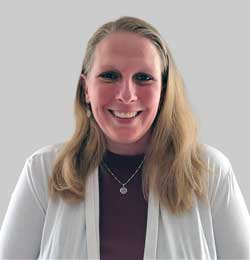
Cheryl has over 20 years of experience providing the highest-quality trauma and PTSD therapy to clients across Pennsylvania — including residents of urban communities carrying the compounded burdens of racial trauma, environmental anxiety, concentrated poverty, immigration experience, moral injury, and the specific psychological cost of living in close proximity to political power that has never fully delivered on the services those communities deserve. Lancaster is 40 miles from Harrisburg. Specialized, certified trauma care has never been more accessible to the people of Pennsylvania's capital city.
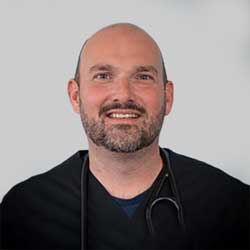
"Harrisburg is one of the most complicated cities in Pennsylvania to understand from the outside — a state capital where the dome is visible for miles and where the communities that most need what that power could provide have too often been left to carry things alone. The families who grew up ten miles from Three Mile Island and never had a clinical name for what that left in them. The Puerto Rican community that built its life in this city across generations and has never had enough clinicians who truly understand what that journey involved. The residents of Allison Hill and Steelton carrying wounds that have compounded for decades without adequate specialized care. The government workers who came here to make Pennsylvania better and have spent careers finding somewhere to put what that work has cost. Every one of them deserves the best trauma care in Pennsylvania. We are 40 miles away. Healing starts here."