Lebanon, PA Online Anxiety, PTSD, and Trauma Therapy

EMDR, CBT, DBT, PE, Brainspotting and More

Online Anxiety, PTSD, and Trauma Counseling for Lebanon, PA
Advanced Counseling and Research Services
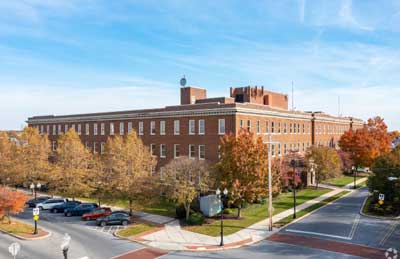
Advanced Counseling and Research Services Office
Office Location & Hours (Lancaster)
313 W Liberty St STE 224, Lancaster, PA 17603
Mon–Thu 9am–7pm | Fri 9am–5pm
Open in Google Maps
Anxiety/PTSD/Trauma Treatment Formats
Anxiety/PTSD/Trauma Therapy Modalities
Professional Accountability
Trauma Educational Services
Trauma Research Support
Clinical
Supervision
Online Anxiety, PTSD, and Trauma Counseling in Lebanon, PA
Lebanon County sits at the geographic heart of southcentral Pennsylvania — a largely rural and small-city county whose working-class communities and strong agricultural heritage carry trauma burdens that the county's limited mental health infrastructure has never been fully equipped to address. Specialized, certified trauma care is available now — at home through telehealth, or in person at our Lancaster office just 30 miles south on Route 422.

Lebanon County is a community of roughly 145,000 people defined by the intersection of Pennsylvania Dutch agricultural heritage, post-industrial working-class identity. Lebanon city — the county seat, with roughly 26,000 residents — holds poverty rates that rank among the highest in the state. Beyond the city, Lebanon County's rural boroughs and townships carry the specific stresses of agricultural communities navigating economic pressure, opioid epidemic aftermath, and the particular isolation of communities where help-seeking has always been culturally complicated.

The county's mental health infrastructure has never been adequately scaled to the depth and specificity of the clinical need its communities represent. The county's working-class and agricultural communities carry legacies of industrial contraction, farm economic stress, and the particular cultural resistance to mental health treatment that rural Pennsylvania communities have navigated for generations. Veterans, first responders, and survivors of domestic violence in Lebanon County face the same barriers of stigma, limited specialized providers, and geographic access that characterize rural and semi-rural communities throughout the region.

At Advanced Counseling and Research Services, our licensed trauma specialists serve Lebanon County residents through secure telehealth and through in-person appointments at our Lancaster office, approximately 30 miles south on Route 422. Every Lebanon County resident — in the city, in the boroughs, in the farming communities — deserves access to the most qualified trauma specialists in Pennsylvania. Healing starts here.

Mental Health Conditions We Treat

  • Anxiety Disorders & Panic
  • ADHD & ADD
  • Depression
  • Agricultural & Occupational Stress Trauma
  • Grief & Loss
  • Moral Injury & Occupational Trauma
  • Obsessive-Compulsive Disorder (OCD)
  • Phobias
  • Post-Traumatic Stress Disorder (PTSD)
  • Racial Trauma & Intergenerational Trauma
  • Substance Use & Co-Occurring Disorders
  • Trauma — Single Event and Complex/Chronic
  • Veteran & First Responder PTSD

Lebanon County's Unmet Trauma Burden — Rural, Working-Class, and Long Underserved

Lebanon County's trauma landscape is shaped by forces specific to its working-class heritage, its agricultural communities, and the chronic under-investment in specialized mental health infrastructure that has characterized the county's approach to clinical need for generations. Our certified clinical trauma professionals are trained to work with all of these realities:

  • Concentrated urban poverty in Lebanon city: Lebanon city carries poverty rates that consistently rank among the highest in Pennsylvania — a concentration of economic disadvantage in a small city whose limited institutional infrastructure was never designed to address clinical need at this scale or depth. The chronic stress of housing instability, food insecurity, limited employment opportunity, under-resourced schools, and the daily psychological burden of navigating concentrated scarcity constitutes a form of traumatic stress that is distinct from acute single-event PTSD but no less clinically real and no less deserving of specialized attention. Children growing up in these conditions, adults navigating them daily, and families working to maintain stability across generations deserve the specialized clinical depth that ACRS provides — depth that Lebanon County's existing provider pool has never been positioned to fully supply.
  • Lebanon County's agricultural communities and farm economic stress: Lebanon County's rural townships carry the specific and largely unaddressed trauma of agricultural communities under chronic economic pressure. The stress of farming — unpredictable commodity markets, rising input costs, weather events made less predictable by climate change, the specific grief of families watching multigenerational farm operations fail or contract, and the cultural identity built around work that may not survive another generation — produces psychological burden that rural farming communities rarely name as trauma and that generalist mental health providers rarely know how to engage. ACRS's certified clinical trauma professionals work with occupational identity, economic grief, and the specific emotional landscape of agricultural communities navigating existential stress.
  • Pennsylvania Dutch heritage and cultural resistance to mental health treatment: Lebanon County's deep Pennsylvania Dutch and German Reformed heritage has produced communities of genuine resilience, strong work ethic, and tight-knit social fabric — and a specific cultural orientation toward self-sufficiency and stoicism that has historically made help-seeking in mental health profoundly difficult. The stigma attached to trauma treatment in communities where suffering is expected to be private and managed independently is real, specific, and clinically significant. ACRS's certified trauma professionals work with clients from these backgrounds with complete confidentiality, cultural sensitivity, and the practical recognition that acknowledging a wound is not weakness — it is the beginning of healing.
  • Steel and industrial legacy — Cornwall Iron Furnace, Bethlehem Steel connections, and post-industrial working-class grief: Lebanon County's economic history includes significant iron and steel production — the Cornwall Iron Furnace operated as one of the longest continuously running iron furnaces in American history, and the county's connection to the broader southcentral Pennsylvania industrial economy shaped generations of working-class identity. The contraction of that industrial base — the specific grief of communities whose livelihoods, identities, and sense of economic purpose were built around work that departed or restructured — has left psychological residue that Lebanon County's clinical infrastructure has never been organized to address systematically. ACRS recognizes and treats the specific presentations of post-industrial community grief and working-class economic trauma.
  • Opioid and fentanyl epidemic in a county with concentrated underlying vulnerability: Lebanon County has been significantly affected by the opioid epidemic — with overdose rates reflecting the underlying conditions of concentrated urban poverty in Lebanon city, agricultural community stress in rural townships, limited economic opportunity across the county, and the specific vulnerabilities of communities that have never had adequate access to specialized clinical services. Recovery without treating underlying trauma consistently fails. ACRS's certified clinical trauma professionals address both, through telehealth or in person at our Lancaster office.
  • Veterans from a county with a strong service tradition: Lebanon County has a strong military service tradition consistent with rural and working-class Pennsylvania communities where military service has historically been one of the most accessible paths to education, stability, and purpose. Veterans returning to Lebanon County return to communities that honor service and are poorly equipped to address what service costs. ACRS provides specialized, evidence-based PTSD care for Lebanon County veterans — through telehealth at home, or in person in Lancaster — that delivers the depth of specialized clinical attention the county's own provider pool has never been able to consistently offer.
  • First responders in a county with both urban crisis and rural reach: Lebanon County's police officers, firefighters, and EMS professionals work a territory that combines the concentrated demands of an impoverished urban center with the logistical and emotional demands of rural and semi-rural emergency response — long response times, limited backup, and the specific isolation of working a territory where professional support resources are thin. The cumulative psychological cost of that work — in a professional culture that has never made room for acknowledging it — is a specific and serious clinical burden. Telehealth provides access to specialized care that is completely confidential, available from home, and dependent on no one in the department knowing you sought it.
  • Domestic violence with rural and immigration-specific barriers to safety: For domestic violence survivors in Lebanon County — whether in the city or in rural areas — barriers to accessing help are compounded by the specific geography and social fabric of a county where tight-knit communities mean fewer options for anonymity, limited transportation makes leaving logistically complex, and economic dependency in a limited-opportunity environment reduces options. Telehealth provides access to trauma-informed care from a private moment at home, without requiring transportation, community visibility, or logistical planning that crisis situations make nearly impossible.
  • Grief, loss, and faith community trauma in a deeply religious county: Lebanon County's communities — across both its Catholic/Pentecostal congregations and its historic Pennsylvania Dutch Protestant denominations — are shaped by deep religious identity and faith community affiliation. For residents navigating grief, loss, faith crisis, or trauma within faith communities, the intersection of religious identity with psychological wound can be complex and requires clinical sensitivity. ACRS's certified trauma professionals work with the full complexity of how faith, community belonging, and psychological injury intersect — without imposing or dismissing any particular tradition.

ACRS's certified clinical trauma professionals are trained specifically to work with complex, layered trauma — not just acute single-event PTSD. Whether you are in Lebanon city, Palmyra, Annville, Jonestown, Cornwall, or anywhere across Lebanon County — in a farmhouse, a borough row home, or an apartment in the heart of the city — we meet you where you are.

Why Lebanon County Residents Choose ACRS

Personalized, Trauma-Informed Care — Via Telehealth or In Person, 30 Miles South in Lancaster

We work collaboratively with you to develop a Trauma-Informed Care Plan that addresses your specific needs and goals.

Individual Treatment
Individual Trauma and PTSD Treatment

One-on-one sessions with a certified traumatologist — via secure video on your phone, tablet, or computer, or in person at our Lancaster office approximately 30 miles south of Lebanon on Route 422.

Group Treatment
Group Trauma and PTSD Treatment

Facilitated online sessions where you share your experiences and heal alongside others who understand — without leaving your home.

Online Telehealth
Telehealth Trauma and PTSD Treatment

Secure, HIPAA-compliant video therapy from the comfort and complete privacy of your own home — no waiting room, no neighborhood visibility, no one in Lebanon County who needs to know.

Concierge Counseling
Concierge Trauma and PTSD Counseling

A highly personalized, private approach to care with maximum flexibility and attention — particularly well-suited to Lebanon County residents for whom privacy and scheduling flexibility matter most, including those in rural areas, agricultural settings, or professional roles where discretion is essential.

Veterans PTSD Support
Veteran PTSD Support Program

Specialized, compassionate PTSD care for Lebanon County veterans and active military families — via telehealth at home, or in person at our Lancaster office. You served. You deserve care that honors what you have been through, with the depth and specialization that Lebanon County's existing clinical infrastructure has never been able to consistently deliver.

First Responders

Lebanon County's police officers, firefighters, and EMS professionals work a territory that spans an impoverished urban center and extensive rural coverage areas — a combination that produces its own specific demands and its own accumulated psychological weight. Our trauma specialists understand first responder culture and provide completely confidential care on your schedule, from your home, with no department visibility and no waiting room in your community.

Agricultural and Rural Community Members

ACRS provides specialized care for Lebanon County's farming families and rural community members — recognizing the specific trauma presentations of agricultural economic stress, farm loss, the grief of multigenerational farm operations in crisis, and the particular cultural barriers to help-seeking in Pennsylvania Dutch and rural working-class communities. If you have been carrying the weight of your work and your land and your community without any clinical space to put it down, we can help.

Survivors of Domestic Violence

Individuals With Substance Use Disorders

Two Ways to Access Care: Telehealth at Home, or In Person in Lancaster

Lebanon County has mental health providers. What it has never had in adequate supply is the depth of specialized, certified clinical trauma expertise — the level of clinical focus on the specific categories of trauma that Lebanon County's communities carry — that the county's demographics and history require. Certified traumatologists are not the same as generalist counselors. The difference matters most for communities whose trauma histories are layered, specific, and long unaddressed.

ACRS's Lancaster office is approximately 30 miles from Lebanon city — a 30- to 35-minute drive south on Route 422. For Lebanon County residents who want in-person access to certified traumatologists, that drive is entirely practical on a consistent basis. For those who prefer telehealth — for privacy, scheduling, childcare, transportation, or the particular logistical reality of rural Lebanon County — our secure video platform delivers identical clinical quality. Telehealth is especially valuable in a county where in-county specialized providers are limited and where accessing treatment locally may feel too visible in tight-knit communities.

Our Lancaster office is at 313 W Liberty St STE 224, Lancaster, PA 17603 — approximately 30 miles from downtown Lebanon via Route 422 South. Whether you choose telehealth or in-person care, your first step is a free, confidential 10-minute consultation.

Our Lancaster office is at 313 W Liberty St STE 224, Lancaster, PA 17603 — approximately 30 miles from downtown Lebanon via Route 422 South. Whether you choose telehealth or in-person care, your first step is a free, confidential 10-minute consultation.

Here is what Lebanon County clients tell us they value:

  • Specialization that Lebanon County's own provider pool cannot match — certified traumatologists with advanced credentials and focused clinical depth, including specific training in racial trauma, agricultural and occupational stress trauma, and complex PTSD.
  • Real choice — telehealth at home or a 30-minute drive south to Lancaster; both options deliver the same quality of specialized, certified clinical trauma care.
  • Complete privacy — essential in Lebanon County's tight-knit communities, where being seen in a local therapist's waiting room carries meaning, and where the stigma around mental health help-seeking remains real in rural and Pennsylvania Dutch communities. Your telehealth session is known only to you.
  • Cultural competence — clinicians who understand Lebanon County's specific communities: its Pennsylvania Dutch agricultural heritage, its working-class identity, and the particular ways that trauma presents across these distinct demographics.
  • Sessions that fit your schedule — including evenings through Thursday, because Lebanon County's working families, farm operators, and shift workers cannot always leave work at 4pm for an appointment.
  • It works. Evidence-based telehealth therapy delivers outcomes fully comparable to in-person care for trauma, anxiety, and PTSD.

ACRS Treatment Modalities for Anxiety, Trauma, and PTSD

Brainspotting Therapy

Brainspotting Therapy

Brainspotting operates on the principle that where you look affects how you feel. A therapist helps you identify "brainspots" — eye positions linked to stored emotional experiences or trauma in the brain. By maintaining focus on the brainspot while fostering mindfulness and connection, the brain processes and releases unresolved emotions at a profound neurobiological level.

Brainspotting is effective for PTSD, Anxiety, Depression, chronic pain, and performance issues — and is particularly well-suited to the layered, often pre-verbal trauma carried by many Lebanon County residents: the chronic somatic stress of concentrated poverty and housing instability in the city; the body-level accumulation of agricultural economic stress in families for whom the farm is not just a livelihood but an identity; and the occupational trauma of first responders and veterans whose bodies carry what their professional and cultural context has never allowed them to put into words. These are precisely the kinds of wounds that neurobiological approaches reach most directly.

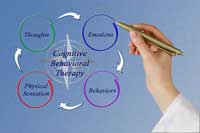
Cognitive Behavioral Therapy (CBT)

CBT Therapy

CBT is a short-term, goal-oriented psychotherapy that helps you identify and challenge unhelpful thought patterns and develop healthier coping mechanisms. It is highly effective for Anxiety, Depression, and PTSD — and its practical, skills-based structure resonates with Lebanon County residents who value directness and want results they can apply to their daily lives, including veterans and first responders who value clear structure, agricultural community members who want to understand what they're working toward and how to measure progress, and working-class clients who prefer practical tools over open-ended reflection.

Dialectical Behavior Therapy (DBT)

DBT Therapy

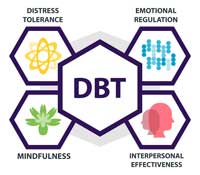
DBT teaches four core skill sets — Mindfulness, Distress Tolerance, Emotion Regulation, and Interpersonal Effectiveness — to help you navigate overwhelming emotions and build healthier relationships. Especially effective for borderline personality disorder, self-harm, and suicidal ideation.

EMDR Therapy

EMDR Therapy

EMDR (Eye Movement Desensitization and Reprocessing) is a gold-standard treatment for trauma and PTSD. It involves recalling disturbing memories while focusing on bilateral stimulation, helping your brain reprocess traumatic memories and reduce their emotional intensity. Effective for PTSD, Anxiety, Phobias, and other trauma-related conditions.

Exposure and Response Prevention (ERP) Therapy

ERP Therapy

ERP is the gold-standard, evidence-based treatment for OCD and related Anxiety Disorders. It involves gradually exposing you to feared thoughts or situations while helping you resist compulsive responses — breaking the OCD cycle and restoring your sense of control.

Prolonged Exposure Therapy (PE)

PE Therapy

PE is a type of CBT used to treat PTSD and Anxiety disorders. It involves gradually confronting feared memories and avoided situations in a safe environment. Through repeated exposure, the anxiety associated with trauma triggers diminishes over time — helping you reclaim your life.

Other Therapy Techniques

  • Narrative Therapy: Encourages you to tell your story, helping you understand and reclaim your own experiences — including the stories of Lebanon Puerto Rican community members whose journey from the island to this Pennsylvania city involved losses, dislocations, and adjustments that the communities they arrived in rarely created adequate space to acknowledge; of farming families watching multigenerational operations in crisis and carrying grief about land and identity that no one around them has named as a wound; of working-class Lebanon County residents whose communities have changed around them in ways that produced loss without clinical language; of veterans who came home to communities that thanked them and had nothing specialized to offer; and of anyone whose experience of living in a tight-knit community shaped every choice about whether and how to ask for help.
  • Somatic Experiencing: Focuses on your body's physical response to trauma and works to release stored tension — particularly valuable for Lebanon County residents whose chronic stress of concentrated urban poverty, agricultural pressure, immigration experience, or the accumulating demands of physically demanding working-class and farm labor has left the nervous system in a state of vigilance that doesn't resolve when the immediate stressor passes. For anyone whose body has been carrying the weight of Lebanon County's specific burdens — in the fields, in the city, in the family — somatic work reaches what talk therapy alone may not.
  • Mindfulness and Relaxation Techniques: Meditation and deep breathing to help manage trauma-related stress and Anxiety — practices that can be grounded in the specific landscape Lebanon County residents already inhabit: the Quittapahilla Creek corridor, the rolling farmland of the county's rural townships, the Swatara State Park trails, the particular stillness available in a farmhouse at dusk or in a city home before the day begins. Mindfulness does not require a special location. It requires a clinical framework and consistent practice. ACRS provides both.
  • Psychoeducation: Understanding trauma and its effects — including the specific clinical dimensions of immigration and acculturation-related trauma, the chronic stress of concentrated urban poverty, the specific burdens of Puerto Rican diaspora experience, agricultural and occupational stress trauma, the cultural dimensions of help-seeking resistance in Pennsylvania Dutch and rural working-class communities, and the neurobiology of how unaddressed trauma changes the nervous system over time — to help you understand your own experience in terms that are accurate, specific, and genuinely applicable to life in Lebanon County. Understanding what has happened to you, and why your responses make complete clinical sense, is itself part of healing.

Our Experienced Anxiety, Trauma, and PTSD Counselors

Our counselors are trained in Trauma-Informed Care and have extensive experience helping individuals heal from traumatic experiences — including the specific and layered trauma of Lebanon County's communities: the agricultural economic grief of the county's farming families, the working-class trauma of communities whose economic identity has been under sustained pressure, the veterans and first responders whose service has never been matched with adequate specialized clinical support, and the people who have been carrying all of this in a county where specialized trauma care has always been harder to find than the need required.

Cheryl Wilson-Smith
Chief Executive Officer
Cheryl Wilson-Smith, MA, LPC – Chief Clinical Officer and trauma expert
  • Licensed Professional Counselor (LPC)
    • Pa. Lic. PC006514
    • Fl. Lic. TPMC1044
  • Certified Traumatologist (CT)
  • National Certified Counselor (NCC)
  • Certified Clinical Mental Health Counselor (CCMHC)
  • Certified Clinical Trauma Professional (CCTP)
  • Certified in Emergency Crisis Response (CECR)
  • Neuropsychotherapist Certified (NPT-C)
  • Master of Arts (MA)
  • 20+ years of clinical experience.
  • Worked with clients across the lifespan.

Read Cheryl's Profile

Cady R. Monasmith
Chief Clinical Officer
Cady Monasmith, MA, LPC – Licensed trauma and DBT therapist
  • Licensed Professional Counselor (PA-015668)
  • Certified Dialectical Behavioral Therapist (C-DBT)
  • Certified Clinical Trauma Professional (CCTP)
  • Certified Dancing Mindfulness Facilitator (CDMF)
  • Bachelor of Fine Arts (BFA)

Read Cady's Profile

Kim Civitarese
Chief Administrative Officer
Trauma Therapist Kim Civitarese
  • Licensed Associate Professional Counselor (LAPC)
  • Cognitive Processing Therapist (CPT)
    Pre-licensed Clinician
  • Certified Grief Informed Professional (CGP)

Experience working with adolescents, couples, the elderly population, blended families, and families in the adoption process.

Read Kim's Profile

Jason Houghton
Psychiatric Mental Health Nurse Practitioner
Jason Houghton, CRNP
  • Psych/Mental Health Nurse Practitioner Education — Johns Hopkins University
  • CRNP License: SP025306
  • RN License: RN606119
  • MSN — Duquesne University
  • BSN — Messiah University

Read Jason's Profile

Kailee Morgan
Clinician
Kailee Morgan, MSW, LAPC
  • Master of Social Work (MSW)
  • Licensed Associate Professional Counselor (LAPC)

Specializes in anxiety, ADHD & ADD, and depression.

Read Kailee's Profile

Choose Lebanon County's Anxiety, PTSD, and Trauma Experts

  • Specialized Expertise That Lebanon County's Provider Pool Cannot Match: Certified Traumatologists with advanced credentials in evidence-based trauma treatment — EMDR, Brainspotting, CBT, DBT, Prolonged Exposure, and more — including specific expertise in racial trauma, agricultural and occupational stress trauma, complex PTSD, and veteran and first responder PTSD. Lebanon County has generalist mental health providers. ACRS has specialists whose entire clinical focus is trauma, at a depth and specificity that the county's provider pool has never been organized to supply.
  • Two Access Points — Telehealth at Home or In Person in Lancaster: Telehealth from home, or a 30-minute drive south to Lancaster on Route 422. Both options deliver the same quality of specialized, certified clinical trauma care. For Lebanon County residents who prefer care outside their own community — where privacy is easier and no neighbor is likely to see you in a waiting room — the Lancaster office is close enough to be genuinely practical.

Lebanon County carries its burdens quietly — in the Pennsylvania Dutch tradition, and in the farming families and working-class households that have always found a way to keep going without asking what it has cost. The resilience is real. And some of what Lebanon County's communities have been carrying produces wounds that resilience alone does not heal. Specialized trauma care does. For the first time, that care is available to every Lebanon County resident — at home through telehealth, or 30 miles south in Lancaster. Healing starts here.

Contact us today for a free, confidential 10-minute consultation. We'll listen, answer your questions, and help you find the right path forward.

Contact Us Online or

Call Us at 717-394-3994

Cheryl Wilson-Smith
Chief Executive Officer

Cheryl has over 20 years of experience providing the highest-quality trauma and PTSD therapy to clients across Pennsylvania — including residents of rural and semi-rural communities carrying the compounded burdens of agricultural economic stress, immigration and acculturation-related trauma, cultural resistance to help-seeking, working-class grief, and the specific challenges of accessing specialized care in counties where the provider pool has never kept pace with the depth of need. Lancaster is 30 miles from Lebanon. Specialized, certified trauma care has never been more accessible to the people of Lebanon County.

Cheryl Wilson-Smith, Chief Clinical Officer — Trauma and PTSD Specialist
  • Licensed Professional Counselor (LPC)
    • Pa. Lic. PC006514
    • Fl. Lic. TPMC1044
  • Certified Traumatologist (CT)
  • National Certified Counselor (NCC)
  • Certified Clinical Mental Health Counselor (CCMHC)
  • Certified Clinical Trauma Professional (CCTP)
  • Certified in Emergency Crisis Response (CECR)
  • Neuropsychotherapist Certified (NPT-C)
  • Master of Arts (MA)
  • 20+ years of clinical experience.
  • Worked with clients across the lifespan.

Read Cheryl's Profile

"Lebanon County is a place that has always found a way to carry what it carries — in the farming families holding on across generations, in the Puerto Rican community that built its life in Lebanon city and has navigated everything that required, in the veterans and first responders who gave their community everything and have never been asked what it cost them, in the working-class households that keep moving forward because stopping was never an option. Every one of them deserves the best trauma care in Pennsylvania. We are 30 miles away. Healing starts here."

— Cheryl Wilson-Smith

Take the First Step – Contact Us Today

Secure & Confidential • Free 10-minute consultation