Pittsburgh has built itself back from collapse before. Specialized trauma care — available now, from your home — is one more tool for doing it again.
Pittsburgh is one of America's most resilient cities. It remade itself from the collapse of the steel industry into a regional hub for healthcare, education, and technology. It has produced some of the most celebrated communities in Pennsylvania — from the Hill District's jazz legacy to the tight-knit neighborhoods of the South Side, Lawrenceville, Homewood, Beechview, and dozens of working-class communities stretching into the Mon Valley. That identity — tough, loyal, proud — is real and it runs deep.
So does the weight that Pittsburgh and Allegheny County communities have been carrying. The collapse of the steel industry devastated generations of working-class families and entire Mon Valley communities — McKeesport, Braddock, Duquesne, Clairton — in ways that were never fully processed as the grief they were. Allegheny County recorded 665 overdose deaths in 2023, a crisis fueled primarily by fentanyl that has touched nearly every neighborhood. Pittsburgh's Black community — concentrated in neighborhoods like Homewood, the Hill District, and the North Side — carries the compounded weight of racial trauma, concentrated poverty, and the documented psychological toll of systemic discrimination that few specialized providers have been equipped to address. Veterans across the tri-state area served by the VA Pittsburgh Healthcare System return to communities that honor them and struggle to provide the depth of specialized PTSD care they deserve. And across the region, Pittsburgh-area residents with Medicaid-funded insurance face documented months-long waitlists for approved therapists — or the choice to simply go without.
At Advanced Counseling and Research Services, we deliver evidence-based trauma care to Pittsburgh and Allegheny County residents through secure telehealth — no waitlists, no referral needed, no commute required. Our certified traumatologists are not generalist counselors. Trauma, PTSD, and anxiety are our entire clinical focus. Whether you're in Pittsburgh proper, the South Hills, the North Hills, the Monongahela Valley, or anywhere across Allegheny County, specialized care is available now. Healing starts here.
Pittsburgh's Trauma Burden — Specific, Layered, and Long Underserved by Specialists
Pittsburgh and Allegheny County carry particular trauma burdens that generalist mental health approaches often miss. Our certified clinical trauma professionals are trained to work with all of these realities:
The steel industry collapse and Mon Valley community grief: The closure of Pittsburgh's steel mills beginning in the late 1970s and accelerating through the 1980s was one of the most economically catastrophic deindustrialization events in American history. Communities across the Mon Valley — Braddock, McKeesport, Duquesne, Homestead, Clairton — saw decades of economic identity and community fabric shredded within a few years. Generations of men and women who had built their lives around industrial work found those lives restructured without warning and without support. That kind of sudden, massive community-wide loss produces exactly the grief and psychological disruption that specialized trauma care is designed to address — and it has largely gone unnamed as trauma for forty years. Braddock's Carnegie Steel plant, which once employed thousands, now stands largely abandoned. The wound it left in the community is not.
Pittsburgh's Black community and the burden of racial trauma: Pittsburgh's Black community — centered in neighborhoods including Homewood, the Hill District, and Larimer — carries the layered weight of a history that includes the Great Migration north to work in industries that then collapsed, concentrated urban poverty following deindustrialization, segregation and its ongoing residential and economic legacy, and the daily psychological burden of navigating systemic discrimination. Research is clear that Black Americans experience higher rates of PTSD than white Americans, and that the course of the disorder is frequently more chronic and severe. Pittsburgh's Black community additionally faces a documented shortage of culturally competent, trauma-specialized providers — and a mental health system whose Medicaid network has been described by PublicSource as failing the very residents who need it most. ACRS's certified trauma professionals provide care with genuine cultural competence, no Medicaid network restriction, and the clinical depth that Pittsburgh's Black community has long been entitled to but rarely received.
The fentanyl and opioid crisis — 665 deaths in Allegheny County in 2023: The opioid epidemic has been especially devastating in Western Pennsylvania. Allegheny County's 665 overdose deaths in 2023 — averaging nearly two per day — follow a peak of 835 deaths in 2017. While the trend has improved, fentanyl continues to contaminate the unregulated drug supply in ways that make every use unpredictable and potentially fatal. Behind each of those deaths is a family carrying grief, guilt, anger, and trauma that does not resolve without specialized clinical help. And behind every person who has struggled with substance use is most often a history of untreated underlying trauma — the clinical reality that recovery without addressing the root cause is far harder to sustain.
Pittsburgh's Medicaid mental health access crisis: PublicSource's reporting has documented in detail what Pittsburgh-area residents with Medicaid insurance already know: the credentialed provider list is inaccurate, frequently outdated, and filtered by a network credentialing process that has denied new providers on the grounds that enough services already exist — a position that the dozen-plus Medicaid recipients PublicSource interviewed directly contradicted. Residents report months-long waitlists for approved therapists, and when therapists leave for private practice — as many have since the pandemic began — the remaining providers absorb the caseload without proportional increase in capacity. For Pittsburgh's lower-income communities, the gap between documented need and accessible, specialized care is not a minor inconvenience. It is a clinical emergency that has been building for years.
Veterans across the tri-state area: The VA Pittsburgh Healthcare System serves veterans across Western Pennsylvania, Ohio, and West Virginia — one of the largest regional veteran service areas in the country. The VA provides important services, but its system is not the right fit for every veteran at every point in their recovery. Long wait times, the institutional setting, the military records requirement, and the specific dynamics of peer witnessing within VA group settings all create barriers for veterans who need specialized, private, and flexible access to trauma care. ACRS provides EMDR, Brainspotting, and Prolonged Exposure therapy — the evidence-based, gold-standard modalities for veteran PTSD — via secure telehealth, with scheduling that fits your life and total confidentiality that is yours to control.
First responders in one of Pennsylvania's largest metropolitan areas: Pittsburgh's firefighters, police, paramedics, and 911 dispatchers work one of the most demanding urban emergency environments in the state. The psychological cumulative cost of frontline trauma work in communities simultaneously managing poverty, a fentanyl epidemic, and concentrated community stress is severe and well-documented — and the professional culture of emergency services has historically made acknowledging that cost nearly impossible. Telehealth provides confidential, specialized care on your schedule, from your home, with no department visibility and no waiting room in a community where colleagues might see you.
Pittsburgh's LGBTQ+ community: Pittsburgh has a significant and visible LGBTQ+ community — centered in Shadyside and Lawrenceville and spread across the region — that carries specific trauma burdens including family rejection, community-based discrimination, the cumulative psychological weight of navigating hostile institutional environments, and, for older community members, the AIDS crisis loss that decimated an entire generation. LGBTQ+-affirming trauma care — delivered by clinicians who don't require you to educate them on your experience before beginning the work — matters. ACRS provides it.
Survivors of gun violence and community violence trauma: Pittsburgh has experienced traumatic acts of mass violence, including the October 2018 Tree of Life synagogue shooting — the deadliest antisemitic attack in American history — which left eleven dead and a community in profound collective grief. Pittsburgh's neighborhoods have also navigated the ongoing toll of community gun violence that disproportionately affects the city's lower-income, predominantly Black neighborhoods. Trauma from violence — whether witnessed, experienced, or lived in proximity — requires specialized clinical attention that general counselors are not equipped to provide.
ACRS's certified clinical trauma professionals are trained specifically to work with complex, layered trauma — not just acute single-event PTSD. We meet you where you are.
A highly personalized, private approach to care with maximum flexibility — well suited for Pittsburgh professionals, executives, first responders, and others for whom privacy and scheduling are essential.
Specialized, evidence-based PTSD care for Pittsburgh-area veterans and active military families — via secure telehealth, on your schedule, with total confidentiality. EMDR, Brainspotting, and Prolonged Exposure therapy for those who have served, delivered without the institutional barriers of large healthcare systems.
First Responders
Pittsburgh's firefighters, police, EMS, and 911 dispatchers carry the cumulative weight of frontline trauma work in one of Pennsylvania's most demanding urban environments. Our certified trauma professionals understand first responder culture and provide completely confidential telehealth care — no department visibility, no waiting room, no paperwork trail in your community.
Pittsburgh's Black Community
ACRS's certified trauma professionals are trained in racial trauma, intergenerational trauma, and the specific clinical presentations of communities navigating the compounded stressors of systemic discrimination and concentrated poverty. We provide care with genuine cultural competence — clinicians who begin from understanding your experience, not from requiring you to explain it.
Pittsburgh's LGBTQ+ Community
ACRS provides affirming, trauma-informed care for LGBTQ+ individuals — including those navigating family rejection trauma, community violence, the cumulative stress of discrimination, and grief. You do not have to educate your therapist before the healing work begins.
Survivors of Domestic Violence
Individuals With Substance Use Disorders
Why Telehealth Is the Right Choice for Pittsburgh — No Waitlists, No Barriers
Pittsburgh has hospitals, universities, and an extensive mental health infrastructure. What documented evidence and the experience of hundreds of Pittsburgh-area residents make clear is that it does not have enough specialized, credentialed trauma professionals available to meet the region's depth of need — particularly for communities navigating Medicaid networks, racial trauma, first responder culture, or the specific complexity of post-industrial community grief.
ACRS's telehealth model eliminates the barriers that have kept Pittsburgh-area residents from accessing specialized care. No referral required. No Medicaid credentialing delays. No months-long waitlist. No commute across the city on the Parkway or the Turnpike before and after sessions that are already emotionally demanding. A secure video connection on your phone, tablet, or computer delivers a certified traumatologist directly to you — wherever you are in Pittsburgh, the South Hills, the North Hills, the Mon Valley, or anywhere across Allegheny County.
Here is what Pittsburgh-area clients tell us they value:
No waitlist — appointments available without the months-long delays that Pittsburgh's Medicaid and community mental health networks document.
Certification that the Pittsburgh provider pool does not consistently offer — Certified Traumatologists with advanced credentials in EMDR, Brainspotting, DBT, CBT, and Prolonged Exposure, focused entirely on trauma and PTSD.
No referral required — you contact us directly for a free consultation and we take it from there.
Total privacy — no waiting room in your neighborhood, no colleague seeing your car parked outside a therapist's office, no institutional record visible to employers or departments.
Scheduling flexibility — including evening hours through Thursday for Pittsburgh's working families, shift workers, and first responders who cannot take time off during the day.
It works. Evidence-based telehealth therapy delivers outcomes fully comparable to in-person care for trauma, anxiety, and PTSD.
You must be physically located in Pennsylvania during your telehealth session. Our Lancaster office is approximately 300 miles from Pittsburgh via the Pennsylvania Turnpike — telehealth is genuinely the most practical and effective way for Pittsburgh-area clients to access ACRS's specialized care.
ACRS Treatment Modalities for Anxiety, Trauma, and PTSD
Brainspotting operates on the principle that where you look affects how you feel. A therapist helps you identify "brainspots" — eye positions linked to stored emotional experiences or trauma in the brain. By maintaining focus on the brainspot while fostering mindfulness and connection, the brain processes and releases unresolved emotions at a profound neurobiological level.
Brainspotting is particularly well-suited to the complex, often pre-verbal trauma common in Pittsburgh communities — the body-level weight of generational economic grief in Mon Valley families, the accumulated somatic stress of racial trauma and systemic discrimination, the occupational trauma carried in the nervous system of veterans and first responders who have never been given clinical language for what their bodies know. These are exactly the kinds of wounds that neurobiological approaches reach most directly.
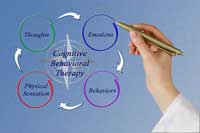
CBT is a short-term, goal-oriented psychotherapy that helps you identify and challenge unhelpful thought patterns and develop healthier coping mechanisms. Highly effective for Anxiety, Depression, and PTSD — and its structured, practical approach resonates with Pittsburgh's working-class and professional communities who value direct, measurable results over open-ended process.
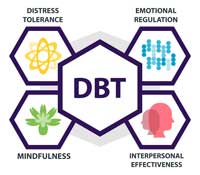
DBT teaches four core skill sets — Mindfulness, Distress Tolerance, Emotion Regulation, and Interpersonal Effectiveness — to help you navigate overwhelming emotions and build healthier relationships. Especially effective for borderline personality disorder, self-harm, and suicidal ideation, and for clients navigating the chronic, high-intensity stress of poverty, systemic discrimination, and community violence.
EMDR (Eye Movement Desensitization and Reprocessing) is a gold-standard treatment for trauma and PTSD. It involves recalling disturbing memories while focusing on bilateral stimulation, helping your brain reprocess traumatic memories and reduce their emotional intensity. Effective for PTSD, Anxiety, Phobias, and other trauma-related conditions — and one of the most rigorously validated treatments for veteran PTSD available.
Exposure and Response Prevention (ERP) Therapy
ERP is the gold-standard, evidence-based treatment for OCD and related Anxiety Disorders. It involves gradually exposing you to feared thoughts or situations while helping you resist compulsive responses — breaking the OCD cycle and restoring your sense of control.
PE is a type of CBT used to treat PTSD and Anxiety disorders. It involves gradually confronting feared memories and avoided situations in a safe therapeutic environment. Through repeated exposure, the anxiety associated with trauma triggers diminishes over time — helping you reclaim your life. PE is among the most evidence-supported treatments for combat PTSD and is well validated for first responder and civilian trauma alike.
Other Therapy Techniques
Narrative Therapy: Encourages you to tell your story and reclaim ownership of your own experience — including the stories of Pittsburgh communities whose grief over industrial loss, racial injustice, and community violence has rarely found adequate clinical space; of Mon Valley families whose identity was built around work that disappeared in a single decade; and of veterans and first responders whose experiences have often been honored publicly and processed privately not at all.
Somatic Experiencing: Focuses on the body's physical response to trauma and works to release stored nervous system tension — particularly valuable for Pittsburgh residents whose chronic stress of concentrated poverty, racial discrimination, occupational trauma, and community violence has left the nervous system in a state of vigilance that doesn't resolve when the immediate stressor passes.
Mindfulness and Relaxation Techniques: Meditation and deep breathing to help manage trauma-related stress and Anxiety. Practices that can be grounded in Pittsburgh's own landscape — the trails of Frick Park, the Allegheny River waterfront, the particular stillness available at dawn in a Pittsburgh neighborhood before the day begins.
Psychoeducation: Understanding trauma and its effects — including the specific clinical dimensions of racial trauma, post-industrial community grief, the neurobiology of first responder occupational stress, and the particular ways that untreated trauma intersects with substance use disorders — to help you understand your own experience in terms that are accurate, specific, and genuinely applicable to life in Pittsburgh and Allegheny County.
Our Experienced Anxiety, Trauma, and PTSD Counselors
Our counselors are trained in Trauma-Informed Care and have extensive experience helping individuals heal from traumatic experiences — including the specific and layered trauma of Pittsburgh's communities: the post-industrial grief of Mon Valley families, the racial and intergenerational trauma carried by Pittsburgh's Black community, the occupational trauma of veterans and first responders, and the compounded burdens of residents navigating poverty, community violence, and a mental health system that has too often failed to provide the specialized care they needed and deserved.
Choose Pittsburgh's Anxiety, PTSD, and Trauma Experts
Specialization That Pittsburgh's General Provider Pool Does Not Match: Certified Traumatologists — not generalist counselors — with advanced credentials in EMDR, Brainspotting, CBT, DBT, and Prolonged Exposure therapy. Specific expertise in racial trauma, post-industrial community grief, veteran and first responder PTSD, complex PTSD, and LGBTQ+-affirming trauma care. Trauma is not a specialty we add on. It is what we do.
No Waitlist, No Referral: Pittsburgh-area residents with Medicaid insurance face months-long waits for credentialed providers. Private-pay clients face similar delays as demand outstrips capacity across the region. ACRS telehealth is available now — contact us for a free consultation and we will schedule from there.
Genuine Cultural Competence: For Pittsburgh's Black community, its LGBTQ+ community, its veterans, and its first responders — clinicians who begin from understanding your specific experience, not from requiring you to explain the context before the work can begin.
Pittsburgh has rebuilt itself before — from the collapse of the mills, from population loss, from the specific grief of communities that lost everything that had structured their lives and found a way forward anyway. That same resilience is what brings people to us. The courage to acknowledge that something needs to heal, and to take the step of asking for specialized help, is not weakness. It is the beginning of the work.
Contact us today to set up a free, confidential 10-minute consultation. We'll listen, answer your questions, and help you find the right path forward.
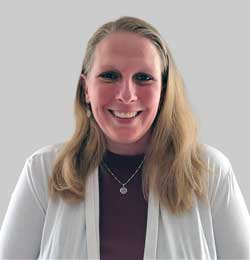
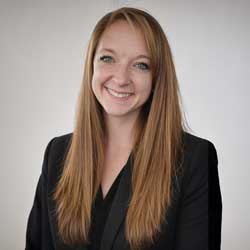
Cheryl has over 20 years of experience providing the highest-quality trauma and PTSD therapy to clients across Pennsylvania — including communities in Pittsburgh and Western Pennsylvania that have faced documented, systemic barriers to accessing the specialized care they need and deserve.
"Pittsburgh's communities have carried tremendous weight — the grief of the mills, the weight of racial injustice, the toll of the overdose crisis, the cost of service that veterans and first responders carry home. Every one of those people deserves specialized trauma care that meets them where they are, without barriers. Telehealth makes that possible. I'm proud that ACRS can bring it to Pittsburgh."