
Psychotraumatology
Office Location & Hours (Lancaster)
Mon–Thu 9am–7pm |
Fri 9am–5pm
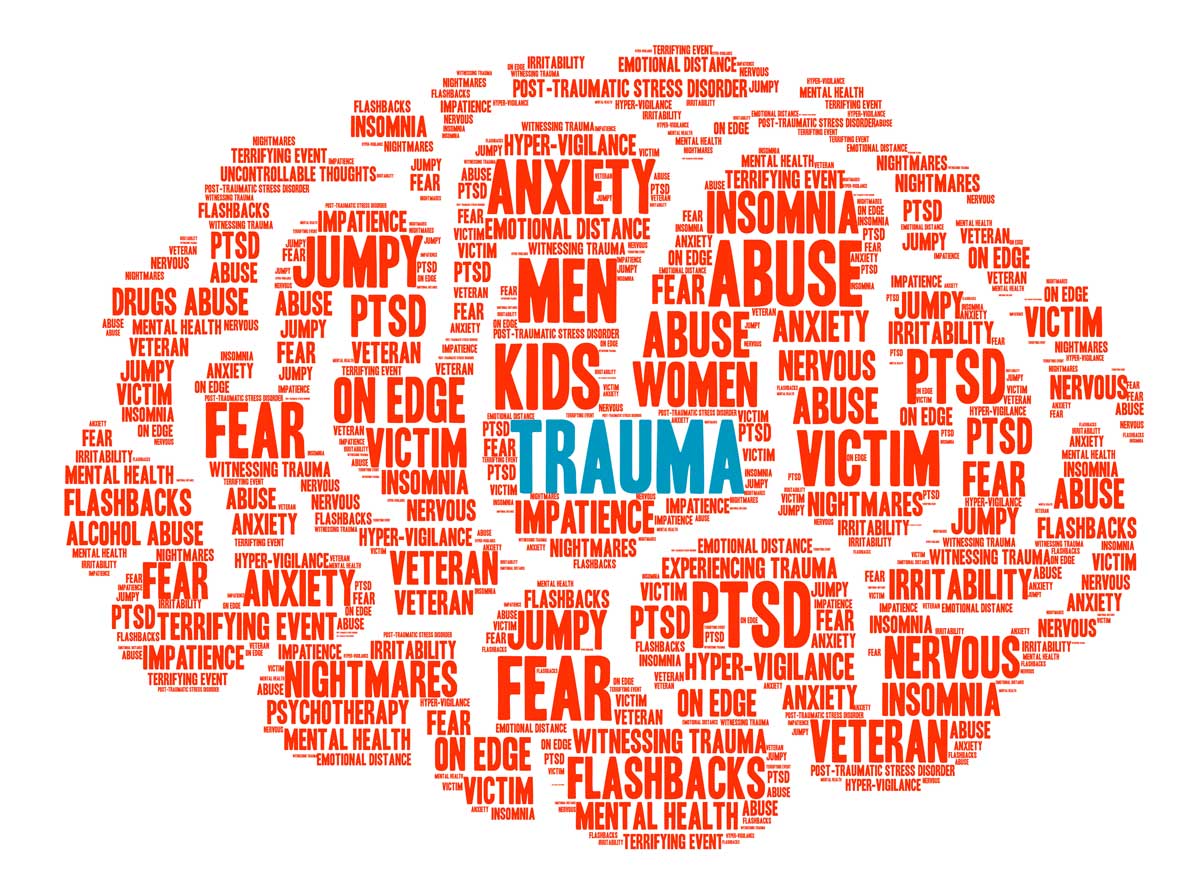
Psychotraumatology is an essential interdisciplinary field dedicated to understanding the profound effects of psychological trauma on individuals, families, and communities. Through evidence-based research and clinical insights, it explores how traumatic experiences shape mental, emotional, and physical well-being—empowering survivors with pathways to healing, resilience, and renewed strength.
If you or a loved one is navigating the challenges of trauma, reaching out for professional support can be a transformative first step toward recovery. The qualified mental health professionals at Advanced Counseling and Research Services in Lancaster, PA, specialize in trauma-informed care and are here to guide you with compassion and expertise.
What Is Psychotraumatology?
Psychotraumatology is the interdisciplinary scientific study of psychological trauma—its causes, effects, prevention, and treatment. It focuses on how traumatic experiences impact individuals and communities, often leading to conditions like post-traumatic stress disorder (PTSD).
- Examines the profound effects of trauma on:
- mental health (e.g., anxiety, depression),
- behavior (e.g., avoidance, hypervigilance), and
- overall well-being (e.g., relationships, daily functioning).
- Offers a comprehensive, evidence-based approach to assessment, treatment, and recovery by drawing on insights from multiple disciplines, including:
- psychology,
- psychiatry,
- neuroscience (understanding brain changes from trauma), and
- social sciences (cultural and community impacts).
- Promotes healing and resilience through research, clinical practice, and trauma-informed care, aiming to reduce suffering and support long-term recovery.
Types of Trauma Addressed in Psychotraumatology
Psychotraumatology recognizes that trauma can stem from a wide range of experiences. Understanding these distinctions helps clinicians provide targeted, effective support. The three primary categories include:
- Acute Trauma: Arises from a single, intense distressing event, such as a car accident, natural disaster, assault, or sudden loss. It often leads to immediate stress responses but can be resolved with timely intervention.
- Chronic Trauma: Results from repeated or prolonged exposure to highly stressful situations, including ongoing domestic abuse, bullying, neglect, or living in a conflict zone. The cumulative effect can deeply alter one's sense of safety and trust.
- Complex Trauma (or Complex PTSD): Involves exposure to multiple, varied, or prolonged traumatic events—often invasive and interpersonal in nature, such as childhood emotional/physical/sexual abuse, human trafficking, or long-term domestic violence. It frequently impacts development, relationships, and self-identity.
Recognizing these different types of trauma is essential for accurate assessment, personalized treatment planning, and fostering lasting healing and resilience.
The Impact of Trauma on Mind and Body
Trauma can profoundly affect every aspect of a person's life, influencing mental, emotional, cognitive, behavioral, and physical health. These effects vary by individual but often persist until addressed through professional support. Recognizing them is a key step toward healing.
Common impacts include:
- Emotional Distress: Intense anxiety, depression, irritability, anger outbursts, emotional numbness, or unpredictable mood swings.
- Cognitive Impairments: Difficulty concentrating, memory gaps (especially around the event), intrusive flashbacks, nightmares, or hypervigilance to potential threats.
- Behavioral Changes: Social withdrawal, avoidance of triggers, increased substance use, risky behaviors, or self-harm as coping mechanisms.
- Physical Symptoms: Chronic headaches, gastrointestinal issues, muscle tension, fatigue, sleep disturbances, or heightened startle response due to ongoing stress activation.
While these effects can feel overwhelming, many people experience significant improvement and renewed resilience with evidence-based treatment and support.
The Core Role of Psychotraumatology
Psychotraumatology plays a vital role in bridging research, clinical practice, and societal change to support trauma survivors. Its multifaceted goals focus on understanding, healing, and preventing the long-term effects of trauma.
- Accurate Assessment: Thoroughly evaluating the type, severity, and individual impact of trauma through validated tools and compassionate interviews to inform effective care.
- Personalized Treatment Planning: Designing customized, evidence-based interventions tailored to each survivor's unique history, strengths, and needs for optimal outcomes.
- Facilitating Recovery: Guiding individuals through their healing process with proven therapies such as Cognitive Behavioral Therapy (CBT), Eye Movement Desensitization and Reprocessing (EMDR), Somatic Experiencing, and mindfulness-based approaches.
- Education and Advocacy: Increasing public and professional awareness of trauma's effects while promoting trauma-informed practices across healthcare, education, workplaces, and social services to create safer, more supportive environments.
Ultimately, psychotraumatology empowers survivors to reclaim their lives and fosters broader systemic changes for prevention and resilience.
Evidence-Based Therapeutic Approaches in Psychotraumatology
Psychotraumatology draws on a range of proven, specialized therapies to help survivors process trauma safely and effectively. These modalities are tailored to individual needs and often combined for the best outcomes, promoting not just symptom reduction but also post-traumatic growth and resilience.
- Cognitive Behavioral Therapy (CBT), including Trauma-Focused CBT: Helps identify and reframe negative thought patterns and behaviors linked to trauma, reducing symptoms like anxiety and avoidance through structured techniques and homework.
- Eye Movement Desensitization and Reprocessing (EMDR): An eight-phase approach using bilateral stimulation (e.g., guided eye movements) to help the brain reprocess stuck traumatic memories, decreasing their emotional intensity and fostering adaptive beliefs.
- Somatic Experiencing (SE): A body-centered therapy that gently releases trapped physiological stress and "frozen" survival energy from the nervous system, restoring a sense of safety without requiring detailed retelling of the trauma.
- Trauma-Informed Care (TIC): A foundational framework (not a specific technique) that prioritizes safety, trust, choice, collaboration, and empowerment in all interactions, ensuring services avoid re-traumatization across mental health, medical, and social settings.
Many other approaches, such as mindfulness-based interventions, may also be integrated based on the client's unique experience.
Helpful Resources for Trauma Education & Support
Explore these trusted organizations and websites for in-depth information, research, tools, and support related to psychological trauma and recovery. Many offer free guides, fact sheets, and helplines.
- National Center for PTSD (U.S. Department of Veterans Affairs): Comprehensive resources on understanding and treating PTSD, including tools for survivors and providers.
- International Society for Traumatic Stress Studies (ISTSS): Global leader in traumatic stress research, guidelines, and public education.
- National Child Traumatic Stress Network (NCTSN): Evidence-based resources focused on childhood trauma, family support, and trauma-informed care.
- Sidran Institute: Helpful materials on traumatic stress, dissociation, and coping strategies for survivors.
- SAMHSA Trauma and Violence Resources: U.S. government guides on trauma-informed approaches and national helplines.
- American Psychological Association (APA) Trauma Topic: Articles, research summaries, and recovery tips from leading psychologists.
If you're in crisis, contact the National Helpline at 988 (U.S.) or your local emergency services.
Cheryl Wilson-Smith
Chief Executive Officer

- Licensed Professional Counselor (LPC);
- Pa. Lic. PC006514
- Fl. Lic. TPMC1044
- Certified Traumatologist (CT)
- National Certified Counselor (NCC)
- Certified Clinical Mental Health Counselor (CCMHC)
- Certified Clinical Trauma Professional (CCTP)
- Certified in Emergency Crisis Response (CECR)
- Neuropsychotherapist Certified (NPT-C)
- Master of Arts (MA)
- 20+ years of clinical experience.
- Worked with clients across the lifespan.

Frequently Asked Questions About Psychotraumatology
What is psychotraumatology? ↓
What are the main types of trauma in psychotraumatology? ↓
How does trauma affect the mind and body? ↓
What are the most effective evidence-based treatments for trauma? ↓
Who can benefit from psychotraumatology services? ↓
Where can I find professional help for trauma in Lancaster, PA? ↓
Still have questions about trauma recovery or how psychotraumatology can help you or a loved one?
Get Your Free 10-Minute ConsultationSecure • Confidential • No obligation