Cameron County quarried the flagstone around the Tomb of the Unknown Soldier at Arlington. Its Bucktails defended the Union in 1861. Its people have quietly given the country more than most of them know. What Cameron County has always deserved in return — and rarely received — is the specialized care to help carry what living in this place actually costs. Telehealth delivers it to your door.
Cameron County is Pennsylvania's least populous county — 4,547 residents spread across nearly 400 square miles of forested ridgelines and river valleys in the heart of the PA Wilds. Emporium, named from the Latin word for a market or trade center, sits along the Sinnemahoning Creek as the county seat and its only significant borough. The county holds a quiet distinction nearly unmatched in the state: it is the only county in Pennsylvania not crossed by a single interstate or US highway. Getting to anywhere from Cameron County, and getting to Cameron County from anywhere, requires traveling secondary roads through mountain terrain. That geographic reality — beautiful, defining, and isolating — shapes every dimension of life here, including access to mental health care.
Cameron County's economy has been built and hollowed out twice in its history. The first time was lumber. In the second half of the nineteenth century, logging operations clear-cut the county's extraordinary white pine and hemlock forests, leaving behind a landscape of stumps and, eventually, abandoned mill towns — Hicks Run, Truman, Beechwood — that exist today as small villages or historical markers. The second time was Sylvania. The Novelty Incandescent Lamp Company, later Sylvania Electric Products, opened in Emporium in 1907 and became the county's defining employer for most of the twentieth century. At its height, the plant employed a workforce drawn largely from women across the surrounding region — earning Emporium the national nickname "Girls' Town" after a Collier's Magazine feature went worldwide. Sylvania closed in 1990. What had sustained the county through the collapse of the lumber industry and through two World Wars quietly ended, leaving a community of a few thousand people to find a new economic identity in one of the most geographically isolated counties in Pennsylvania.
Advanced Counseling and Research Services provides specialized, certified trauma and PTSD care to Cameron County residents via secure telehealth. The 130 miles between Lancaster and Emporium — and the absence of any US highway or interstate to cross them — does not have to be a barrier to accessing the care you deserve. Healing starts here.
Cameron County's Trauma Burden — Remote, Unacknowledged, and Severely Underserved
Cameron County carries specific, well-documented trauma needs that the county's extreme geographic and provider isolation make nearly impossible to address through conventional in-person care. ACRS's certified clinical trauma professionals are trained to work with exactly this kind of rural, isolated, and chronically underserved experience:
Extreme geographic isolation and the mental health consequences of living at the edge of the accessible world: Cameron County is 100% rural. It has no interstate, no US highway, and only a few state routes connecting it to neighboring counties. The nearest significant healthcare resources require substantial drives on secondary mountain roads. For Cameron County residents, the geography itself — as beautiful as it is — is a form of chronic constraint. Research consistently shows that geographic isolation is independently associated with elevated rates of depression, anxiety, and substance use, driven by limited access to services, limited social infrastructure, and the particular psychological weight of knowing that the systems other Pennsylvanians take for granted are genuinely out of reach. Two-thirds of federally designated Mental Health Care Professional Shortage areas in the United States are in rural or partially rural regions; Cameron County is as rural as Pennsylvania gets.
The opioid crisis — and a documented rate of harm that ranked Cameron County among Pennsylvania's most severely affected: Pennsylvania's opioid settlement distribution formula, which accounts for overdose deaths, opioid-related hospitalizations, naloxone doses administered by EMS, and prescription opioids dispensed, allocated Cameron County $23.23 per resident in opioid settlement funds — the highest per-capita rate of all 67 Pennsylvania counties. Pennsylvania's attorney general's office confirmed this directly to Spotlight PA, explaining that the formula reflects need, not population, and that some rural counties "had some of the highest rates of addiction in the state." That figure is not a statistical footnote. It is formal documentation that Cameron County's residents have been among the most severely harmed by the opioid crisis of any county in the commonwealth — in a county with nearly no local treatment infrastructure to address it. Nearly 60% of rural counties nationally have no outpatient addiction treatment facility accepting Medicaid. ACRS provides the deeper, trauma-focused care that makes lasting recovery more achievable, by reaching the underlying trauma through telehealth directly to your home.
Veterans in a county with the deepest military heritage in Pennsylvania: In April 1861, more than 300 Cameron County men boarded rafts on the Sinnemahoning River and traveled downstream to Harrisburg to defend the Union. They became the Bucktail Regiment — one of the Civil War's most celebrated sharpshooter units, recruited specifically for their skills as woodsmen and marksmen in these mountains. Cameron County sent men to war from its first generation of settlers. The flagstone quarried from Cameron County surrounds the Tomb of the Unknown Soldier at Arlington National Cemetery. This county's relationship with military service and sacrifice is as deep as any place in Pennsylvania, and its current veteran population carries those traditions alongside the specific burdens of their own service — in a county with extremely limited access to VA resources or specialized veteran PTSD care. ACRS provides EMDR, Brainspotting, and Prolonged Exposure therapy — gold-standard veteran PTSD treatments — via telehealth, on your schedule, with complete confidentiality.
Post-industrial grief from the Sylvania closure and the county's double industrial exhaustion: Cameron County has watched its economic foundation removed twice — once by timber exhaustion in the 1920s, and once by Sylvania's 1990 closure. The Sylvania plant was not simply a factory. It was the organizing center of economic life in a county of a few thousand people. For the women who worked there, and for the families that depended on that employment for three generations, its closure was a specific, significant loss — not only of income but of purpose, structure, and community. The multigenerational grief of a place that has been economically hollowed out, rebuilt, and hollowed out again is a recognized form of community trauma. It does not resolve on its own, and it shapes the psychological landscape in which every subsequent generation grows up.
Occupational trauma from logging, the physical demands of remote rural work, and the particular injuries of isolated labor: Cameron County's history is the history of physically demanding, isolated, and often dangerous work — from the logging camps of the nineteenth century to the manufacturing floor of Sylvania to the farming and outdoor industries that continue today. The chronic stress of physical labor, the grief of occupational injury, and the body-carried weight of work that asks enormous things from workers without adequate safety or support are recognized clinical categories. For men and women in Cameron County whose work lives have been shaped by this tradition, the psychological consequences are often unnamed and untreated.
Rural poverty, economic fragility, and the chronic stress of limited options: Cameron County's poverty rate and median income reflect the economic consequences of its double industrial hollowing. Chronic economic stress — the sustained, day-to-day pressure of financial insecurity without adequate local employment or infrastructure — is a form of trauma in its own right, producing the same nervous system dysregulation, relational strain, and hopelessness that acute traumatic events produce, just across a longer timeline and without a specific incident to point to. For Cameron County families navigating that reality in a county this remote, the added barrier of having to travel hours for mental health care effectively means most people never access it at all.
Domestic violence and intimate partner abuse in an isolated community: In small, close-knit rural communities — especially those under chronic economic pressure and with elevated substance use — the conditions for domestic violence are compounded and the barriers to leaving are highest. For Cameron County survivors, the nearest domestic violence resources and shelters require significant travel. Telehealth provides access to specialized, trauma-informed care from the safety and privacy of your own home — without the logistics and visibility that in-person care in a county this small cannot avoid.
ACRS's certified clinical trauma professionals are trained for complex, rural, isolated, and chronic trauma — not only for single-event PTSD. We meet you where you are.
Why Cameron County Residents Choose ACRS
Specialized, Trauma-Informed Care — Delivered Directly to Your Home
We work collaboratively with you to develop a Trauma-Informed Care Plan that addresses your specific needs and goals.
One-on-one sessions with a certified traumatologist — via secure video on your phone, tablet, or computer, from your own home, without leaving Cameron County.
Secure, HIPAA-compliant video therapy that brings Pennsylvania's most credentialed trauma specialists directly to Cameron County — no interstate, no US highway, no 130-mile drive required.
A highly personalized, private approach to care — maximum flexibility and confidentiality for those in a county where everyone knows everyone and privacy matters most.
Specialized PTSD care for Cameron County veterans — via secure telehealth, on your schedule, with no VA bureaucracy and no mountain drive to reach care that the Bucktails' descendants have always deserved.
First Responders
Cameron County's firefighters, EMS crews, and law enforcement cover hundreds of square miles of remote terrain with minimal backup. The occupational trauma of that work is real and rarely treated. We provide fully confidential telehealth care — on your schedule, with no community visibility in a county where privacy is almost impossible otherwise.
Survivors of Domestic Violence
Individuals With Substance Use Disorders
Why Telehealth Is Not Just Convenient for Cameron County — It Is the Only Realistic Option
Cameron County is the only county in Pennsylvania with no interstate or US highway. Lancaster is approximately 130 miles from Emporium via PA Route 120 and US-220 — roughly two hours under normal conditions, but entirely on secondary roads through mountain terrain that can be genuinely difficult in winter. For Cameron County residents, a round trip to Lancaster for a therapy appointment is a half-day commitment at minimum. For ongoing trauma therapy, which typically requires weekly or biweekly sessions, that is simply not sustainable for most people.
Telehealth is not a compromise for Cameron County. It is the direct delivery of specialized care to a community whose geography has historically made that care inaccessible. The clinical evidence is clear: telehealth delivers outcomes fully equivalent to in-person care for trauma, PTSD, and anxiety. What Cameron County has never had — access to Certified Traumatologists trained in EMDR, Brainspotting, DBT, CBT, and Prolonged Exposure — is now available from your home on Sinnemahoning Creek, your cabin in the Quehanna Wild Area, or anywhere else in the county.
Pennsylvania's formal documentation confirms Cameron County's need. The county received the highest per-capita opioid settlement payment of all 67 Pennsylvania counties — a formal recognition that the county's residents have been among the most severely harmed and the most underserved in the entire commonwealth. ACRS exists to change that, one person at a time, via telehealth.
You must be physically located in Pennsylvania during your telehealth session. Our Lancaster office is accessible for those who wish to travel in person, though for most Cameron County residents telehealth is the only genuinely sustainable option.
Pennsylvania's formal documentation confirms Cameron County's need. The county received the highest per-capita opioid settlement payment of all 67 Pennsylvania counties — a formal recognition that the county's residents have been among the most severely harmed and the most underserved in the entire commonwealth. ACRS exists to change that, one person at a time, via telehealth.
Here is what Cameron County clients tell us they value:
No 130-mile round trip on PA Route 120 before and after an emotionally demanding therapy session.
Certified Traumatologists with advanced credentials in EMDR, Brainspotting, DBT, CBT, and Prolonged Exposure — focused exclusively on trauma and PTSD. Cameron County has essentially no local providers at this level of specialization.
No waitlist, no referral — appointments available now, without the months-long delays common in rural mental health networks.
Complete privacy — in a county of fewer than 5,000 people where every face is familiar, telehealth means your care is genuinely private.
Evening hours through Thursday — because Cameron County's residents work hard schedules and cannot rearrange their days for a therapy drive.
You are in your own home — in the landscape you know, in the place that is yours, in the privacy that small communities rarely provide for anything.
It works. Telehealth delivers outcomes fully validated by clinical research — identical to in-person care for trauma, PTSD, and anxiety.
ACRS Treatment Modalities for Anxiety, Trauma, and PTSD
Brainspotting operates on the principle that where you look affects how you feel. A therapist helps you identify "brainspots" — eye positions linked to stored emotional experiences or trauma in the brain. By maintaining focus on the brainspot while fostering mindfulness and connection, the brain processes and releases unresolved emotions at a profound neurobiological level.
Brainspotting is effective for PTSD, Anxiety, Depression, chronic pain, and performance issues — and is particularly well-suited to the quiet, body-carried, and often wordless trauma common in Cameron County's communities: the chronic weight of rural isolation, economic fragility, and the specific grief of a place whose industry has been exhausted twice without adequate acknowledgment of the human cost.
CBT is a short-term, goal-oriented psychotherapy that helps you identify and challenge unhelpful thought patterns and develop healthier coping mechanisms. Highly effective for Anxiety, Depression, and PTSD — its structured, practical approach resonates well with clients who value direct progress and concrete tools, and who have little patience for approaches that don't deliver tangible results.
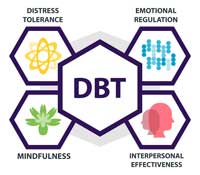
DBT teaches four core skill sets — Mindfulness, Distress Tolerance, Emotion Regulation, and Interpersonal Effectiveness — to help you navigate overwhelming emotions and build healthier relationships. Particularly effective for borderline personality disorder, self-harm, and suicidal ideation, and for anyone managing the sustained pressure of chronic economic stress, rural isolation, and the compounding weight of community-level loss.
EMDR (Eye Movement Desensitization and Reprocessing) is a gold-standard treatment for trauma and PTSD. It involves recalling disturbing memories while focusing on bilateral stimulation, helping your brain reprocess traumatic memories and reduce their emotional intensity. Among the most rigorously validated treatments for veteran PTSD and equally effective for civilian trauma from accidents, loss, violence, and the complex grief of chronic community hardship and isolation.
Exposure and Response Prevention (ERP) Therapy
ERP is the gold-standard, evidence-based treatment for OCD and related Anxiety Disorders. It involves gradually exposing you to feared thoughts or situations while helping you resist compulsive responses — breaking the OCD cycle and restoring your sense of control over your own mind.
PE is a type of CBT used to treat PTSD and Anxiety disorders. It involves gradually confronting feared memories and avoided situations in a safe therapeutic environment. Among the most evidence-supported treatments for veteran PTSD and equally validated for civilian trauma from accidents, loss, and the specific grief of a way of life disrupted or diminished over time.
Other Therapy Techniques
Narrative Therapy: Encourages you to tell your story and reclaim ownership of your own experience — including the stories of Cameron County families shaped by the lumber era, the Sylvania years, the Bucktail tradition, and the particular dignity of living in a place that the rest of Pennsylvania rarely thinks about but that has contributed to the country's most sacred monuments.
Somatic Experiencing: Focuses on the body's physical response to trauma and works to release stored nervous system tension — particularly valuable for clients whose chronic isolation, occupational history, or long-carried community grief manifests as persistent physical symptoms.
Mindfulness and Relaxation Techniques: Meditation and deep breathing grounded in Cameron County's specific landscape — the Sinnemahoning Creek, the Bucktail State Park Natural Area, the 75 miles of PA Route 120 winding from Emporium to Lock Haven — as anchors for present-moment awareness and trauma recovery.
Psychoeducation: Understanding trauma and its effects — including the specific patterns of rural isolation, post-industrial grief, veteran PTSD, substance use, and chronic economic stress — in terms accurate and genuinely applicable to life in Cameron County.
Our Experienced Anxiety, Trauma, and PTSD Counselors
Our counselors are trained in Trauma-Informed Care and have extensive experience helping individuals heal from traumatic experiences — including the specific, quiet, and chronically underserved trauma carried by Cameron County residents: the opioid crisis documented as the state's worst per-capita, the industrial grief of the Sylvania closure, the veteran experience of a county with a military tradition stretching back to the Bucktail Regiment, and the daily weight of living in Pennsylvania's most remote and most beautiful corner.
Choose Cameron County's Anxiety, PTSD, and Trauma Experts
Specialization Essentially Unavailable Locally: Certified Traumatologists with advanced credentials in EMDR, Brainspotting, CBT, DBT, and Prolonged Exposure — focused exclusively on trauma and PTSD. Cameron County has essentially no local providers at this level of specialization. Telehealth is how you access this care.
No Waitlist, No Referral: Available now — a free 10-minute consultation, then we schedule. No months-long delays in a county with the fewest local options in Pennsylvania.
Telehealth That Works: Secure, HIPAA-compliant video sessions with genuine face-to-face connection — delivered to your home in Cameron County without requiring a single mile of mountain driving.
Evening Hours Through Thursday: For people whose work does not accommodate daytime appointments — and whose long commute to any alternative would make daytime appointments impossible anyway.
The flagstone around the Tomb of the Unknown Soldier came from Cameron County. The Bucktails who left on rafts down the Sinnemahoning in 1861 came from Cameron County. The women who helped power America's war effort from Sylvania's factory floor came from Cameron County. This place and its people have given far more to this country than they've received in return. Accessing specialized trauma care is one way of finally receiving something you deserve.
Contact us today to set up a free, confidential 10-minute consultation. We'll listen, answer your questions, and help you find the right path forward.
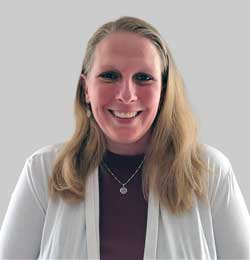
Cheryl has over 20 years of experience providing the highest-quality trauma and PTSD therapy to clients across Pennsylvania — including those in Cameron County, which formal data has confirmed as one of the most severely opioid-impacted and least resourced counties in the commonwealth. Telehealth ensures that Pennsylvania's most remote county does not have to remain its most underserved.
"Cameron County's residents have given this country the flagstone at Arlington and the sharpshooters who turned the tide of a war. They deserve specialized trauma care that doesn't require a 130-mile mountain drive to access. Telehealth makes that possible. Call us."