Fayette County, PA Anxiety, PTSD, and Trauma Therapy
EMDR, CBT, DBT, PE, Brainspotting and More
Secure Telehealth for the Coke Capital of the World — Specialized Trauma Care for Fayette County's Specific History and Needs
Advanced Counseling and Research Services
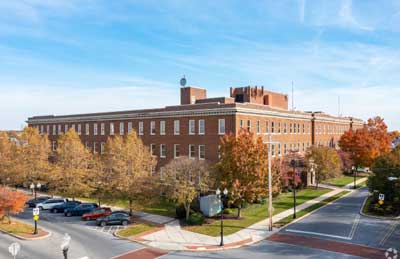
Office Location & Hours (Lancaster)
313 W Liberty St STE 224, Lancaster, PA 17603 Mon–Thu 9am–7pm | Fri 9am–5pm ~175 miles from Uniontown via PA Turnpike (~3 hours) — telehealth recommended Open in Google Maps
Fayette County once powered the American steel industry from these Appalachian hills — 15,865 beehive coke ovens at their peak, supplying approximately half the metallurgical coke produced in the United States. The county that built that has been absorbing its loss for three generations. That loss — specific, documented, and compounding — deserves specialized clinical care. ACRS provides it via telehealth, from wherever you are in Fayette County. Healing starts here.
Fayette County, Pennsylvania — Uniontown, Connellsville, Brownsville, Ohiopyle, Masontown, Fairchance, and the townships and company-town patches spread across 790 square miles of southwestern Appalachian foothills between the Youghiogheny River and the West Virginia and Maryland borders — is a county whose identity, economy, and community character were built on coal and coke, and whose modern story has been defined by their departure.
The county's industrial history is extraordinary. When Henry Clay Frick began his coke empire near Connellsville in 1870, he was building on Connellsville coking coal's exceptional chemical properties — the best coal in the country for making metallurgical coke. By 1880, Fayette County was the largest producer of coke in the country. By 1907, the peak of production, 15,865 beehive ovens produced 6,464,000 tons of coke per year, and the Connellsville district supplied approximately half of all metallurgical coke used in the United States. The ovens honeycombed the hillsides. Virtually every town built in the county between 1880 and 1920 owed its existence to a coal or coke company — the company "patches," the company-owned housing, the company stores. The county's population rose from 55,842 in 1880 to 200,909 by 1940. By 1950, the coal under the county was largely exhausted, and severe unemployment and decline began. Today the population stands at approximately 126,967 — nearly back to 1905 levels — and continues to decline at over one percent per year.
But Fayette County's history runs deeper than coal. In 1754, a 22-year-old George Washington fought at the Battle of Jumonville Glen and Fort Necessity in what is now Fayette County — the opening engagements of the French and Indian War and the Seven Years' War, the first true global conflict. The National Road — the first federally funded highway in American history — was built through Uniontown and Brownsville. Albert Gallatin, the longest-serving Secretary of the Treasury in American history, lived at Friendship Hill in Fayette County. And the county holds Frank Lloyd Wright's Fallingwater — one of the most recognized works of architecture in the world — perched above a waterfall in the Laurel Highlands.
Lancaster is approximately 175 miles from Uniontown via the Pennsylvania Turnpike — about three hours. For Fayette County residents, ACRS's secure telehealth option is the practical and preferred path to specialized trauma and anxiety care. You must be physically located in Pennsylvania during your session. Healing starts here.

Fayette County's Specific Trauma Profile — Three Generations of Post-Industrial Loss, Vietnam Veterans, Poverty, and the Compounding Cost of the Appalachian Coke Country's Decline
Fayette County's trauma landscape is shaped by one of the most dramatic and prolonged post-industrial declines in American history, a Vietnam-era veteran population with one of the highest concentrations in the state, persistent poverty that ranks among the worst in Pennsylvania, and a culturally embedded self-reliance that can make seeking help feel like an admission of failure. Our certified clinical trauma professionals are trained to address all of it — via telehealth, at full clinical depth:
Three generations of post-industrial loss — the specific grief of the world's former Coke Capital: By 1950, the coal under Fayette County was largely exhausted. The beehive ovens went cold. The company towns — the only reason for their existence — began their long deterioration. What followed was not a single dramatic collapse but a slow, sustained, multigenerational unraveling. The county's population has fallen from 200,909 in 1940 to approximately 127,000 today. The people who stayed — and the children and grandchildren of the people who stayed — have absorbed that loss without adequate clinical language for what it costs. The grief of a community that built something extraordinary and watched it systematically depart is specific, compounding, and — without clinical support — multigenerational. ACRS treats this form of loss directly.
Vietnam-era veterans — 2.37 times greater than any other conflict era in Fayette County: Fayette County's Vietnam-era veteran population is documented at 2.37 times the size of that from any other military conflict — one of the most distinctive veteran demographic profiles in Pennsylvania. Vietnam veterans carry high rates of unresolved combat trauma, complicated grief, substance use disorders rooted in self-medication, and specific forms of moral injury related to the contested nature of that war and the institutional indifference their service received on return. For veterans in Fayette County who have been carrying this for fifty years — in a community that has itself been carrying loss for that long and longer — the compound weight is immense. ACRS provides gold-standard veteran PTSD care: EMDR, Brainspotting, and Prolonged Exposure, via telehealth with complete confidentiality.
Persistent poverty — consistently among the worst in Pennsylvania: Fayette County has ranked near the bottom of Pennsylvania's 67 counties in per capita income, median household income, and family median income. Its poverty rates consistently exceed the Pennsylvania state average. For generations, the county's residents have navigated the specific and compounding stress of economic precarity — insufficient resources for healthcare, housing instability, limited educational opportunity — all documented predictors of poor mental health outcomes. The opioid and substance use crisis in Fayette County is directly rooted in this sustained economic stress, chronic physical pain from industrial work, and the absence of adequate mental health resources. ACRS treats the underlying trauma that drives sustained substance use.
The company-town inheritance — a specific form of institutional trauma unique to Fayette County's coal patches: The coal and coke company towns were total institutions in which the company owned the housing, operated the store (often in company scrip rather than currency), provided the church, and controlled nearly every aspect of workers' daily existence. For families whose grandparents were born into company-owned homes, the psychological legacy of that institutional control — of having every dimension of life organized by an entity whose interest was always extractive — is a documented form of social trauma that rarely receives clinical attention. ACRS treats it as what it is: a specific, historically grounded, and clinically real form of harm passed across generations.
First responders in a high-poverty, post-industrial county: Fayette County's firefighters, EMS crews, and law enforcement serve a county where poverty, substance use disorders, and sustained community decline generate significant occupational demand. ACRS provides fully confidential telehealth care for first responders — on your schedule, completely private.
Occupational trauma from mining and industrial work: For miners, industrial workers, and their families — the accumulated trauma of dangerous, demanding work (injuries, occupational disease, the ever-present risk of the mine) is a specific clinical profile that deserves direct attention. ACRS's occupational trauma approach addresses it.
The grief of sustained population and institutional decline: Watching a place you love diminish is a specific form of grief — one that accumulates without adequate clinical space. For those who stayed in Fayette County while others left, and for those who remain because leaving was not an option, ACRS's Certified Grief Informed Professional provides direct, skilled clinical attention to this specific form of compound loss.
Why Fayette County Residents Choose ACRS
Certified Trauma Specialists — Fully Available via Secure Telehealth
We work collaboratively with you to develop a Trauma-Informed Care Plan that addresses your specific needs and goals — delivered by telehealth from your home in Uniontown, Connellsville, Brownsville, or anywhere in Fayette County.
One-on-one sessions with a Certified Traumatologist via secure video — at full clinical depth, from your home in Fayette County, without the three-hour drive to Lancaster.
Facilitated telehealth group sessions — from your home in Uniontown, Connellsville, or anywhere across Fayette County's 790 square miles of Appalachian foothills.
Gold-standard PTSD care — EMDR, Brainspotting, and Prolonged Exposure — for Fayette County's Vietnam-era veterans, documented at 2.37 times any other conflict era. Via telehealth with complete confidentiality.
First Responders
Fully confidential telehealth care for Fayette County firefighters, EMS, and law enforcement — on your schedule, completely private.
Survivors of Domestic Violence
Individuals With Substance Use Disorders
Why Telehealth Is the Right Answer for Fayette County
Lancaster is approximately 175 miles from Uniontown via the Pennsylvania Turnpike — about three hours each way. A round trip for a weekly session is six hours of driving. For residents of a county whose median household income is well below the Pennsylvania average and where many families manage compounding economic stress alongside clinical need, that drive is a genuine barrier.
Telehealth removes it entirely. Every evidence-based therapy ACRS provides — EMDR, Brainspotting, CBT, DBT, Prolonged Exposure — is fully deliverable by secure video. The clinical quality, therapeutic relationship, and confidentiality are identical to in-person care.
You must be physically located in Pennsylvania during your session. A computer, tablet, or smartphone with a camera and reliable internet is all you need.
Here is what Fayette County clients tell us they value:
Certified Traumatologists with advanced credentials in EMDR, Brainspotting, DBT, CBT, and Prolonged Exposure — trained specifically for Vietnam-era PTSD, post-industrial community grief, occupational trauma, and compound poverty stress. That specialization is not consistently available within the county's local provider network.
No three-hour drive. Your session comes to you, in Uniontown, Connellsville, Brownsville, the Laurel Highlands, or anywhere in Fayette County.
Complete confidentiality — invisible to southwestern Pennsylvania's working-class communities where seeking mental health care can carry social visibility.
No waitlist, no referral — a free 10-minute consultation, then we schedule. Available now.
Evening hours through Thursday — for working families, caregivers, and everyone whose day doesn't end at 5 pm.
Kim Civitarese, ACRS's Certified Grief Informed Professional — addressing Fayette County's specific pattern of compound, multigenerational, community-level grief with skilled, direct clinical attention.
A clinician who understands Fayette County's specific experience — the coke ovens and company patches, Frick and the Pittsburgh Coal Seam, the fall from 200,000 to 127,000, the Vietnam veterans who came home to a county already absorbing its own losses — without requiring you to explain any of it before getting to your own.
ACRS Treatment Modalities for Anxiety, Trauma, and PTSD
Brainspotting operates on the principle that where you look affects how you feel — identifying "brainspots," eye positions linked to stored emotional experiences or trauma. By maintaining focus on the brainspot while fostering mindfulness, the brain processes and releases unresolved emotions at a profound neurobiological level.
Brainspotting is particularly effective for the body-carried, often wordless grief most prevalent in Fayette County — the weight of three generations of post-industrial loss; the physical exhaustion of sustained economic precarity; the specific numbness of Vietnam veterans carrying combat trauma for fifty years while their communities absorbed parallel losses; and the grief of patch-town families whose way of life was organized around an industry that departed and never returned.
CBT is a short-term, goal-oriented psychotherapy helping you identify and challenge unhelpful thought patterns and develop healthier coping strategies. Its practical, structured approach resonates with the direct communication culture of Fayette County's working-class communities, and its rigorous evidence base makes it a cornerstone of effective care across the county's full range of clinical needs.
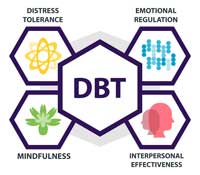
DBT teaches four core skill sets — Mindfulness, Distress Tolerance, Emotion Regulation, and Interpersonal Effectiveness — to help you navigate overwhelming emotions and build healthier relationships. Particularly effective for managing the sustained weight of chronic poverty stress, post-industrial community grief, and the specific intensity of veterans' experiences navigating civilian life after combat.
EMDR (Eye Movement Desensitization and Reprocessing) is a gold-standard treatment for trauma and PTSD — recalling disturbing memories while focusing on bilateral stimulation, helping your brain reprocess memories and reduce their emotional intensity. Among the most rigorously validated treatments for Vietnam-era PTSD and occupational trauma, fully deliverable via telehealth.
Exposure and Response Prevention (ERP) Therapy
ERP is the gold-standard treatment for OCD and related Anxiety Disorders — gradually exposing you to feared thoughts while helping you resist compulsive responses, breaking the OCD cycle and restoring your sense of control. Fully deliverable via telehealth.
PE is a type of CBT used to treat PTSD and Anxiety disorders — gradually confronting feared memories in a safe therapeutic environment. Among the most thoroughly researched treatments for veteran PTSD, particularly suited for Vietnam-era veterans whose combat experiences have been carried without adequate clinical attention for decades.
Other Therapy Techniques
Narrative Therapy: Encourages you to tell your story and reclaim ownership of your experience — what it means to come from a Fayette County mining or coke family; what it means to have grown up in a patch town and watched it deteriorate; what it means to have served in Vietnam and come home to a county absorbing its own losses; what it means to be the generation that stayed.
Somatic Experiencing: Focuses on the body's physical response to trauma and releases stored nervous system tension — particularly valuable for miners and industrial workers whose bodies have absorbed decades of occupational stress, and for veterans whose combat trauma has settled into chronic physical symptoms.
Mindfulness and Relaxation Techniques: Present-moment anchoring grounded in Fayette County's extraordinary natural landscape — the Youghiogheny River Gorge at Ohiopyle State Park; the Laurel Ridge trail; Fallingwater's cascade in Stewart Township; Laurel Caverns in the Chestnut Ridge; the Great Allegheny Passage trail along the river — as accessible anchors for a nervous system trained by sustained stress to remain perpetually activated.
Psychoeducation: Understanding trauma in terms applicable to Fayette County's experience — what three generations of post-industrial decline does to the collective nervous system; why Vietnam-era PTSD deserves gold-standard treatment regardless of how long ago the service occurred; why the poverty and opioid crisis is rooted in documented trauma rather than personal failure; and why the grief of watching a beloved place diminish is a clinically real form of loss that warrants the same care as any other.
Our Experienced Anxiety, Trauma, and PTSD Counselors
Our counselors are trained in Trauma-Informed Care and have extensive experience helping individuals heal from traumatic experiences — including the specific, deep, and multigenerational experiences carried by Fayette County's communities: the post-industrial grief of the world's former Coke Capital; the Vietnam-era veteran population with the highest conflict-era concentration in the county's history; persistent poverty and opioid crisis; and the individual traumas every person carries.
Choose Expert Anxiety, PTSD, and Trauma Care for Fayette County
Specialized Credentials for Fayette County's Clinical Profile: Certified Traumatologists with advanced credentials in EMDR, Brainspotting, CBT, DBT, and Prolonged Exposure — trained for Vietnam-era PTSD, post-industrial community grief, occupational trauma, poverty stress, and substance use co-occurring with trauma. That depth is not consistently available in the county's local provider network.
Kim Civitarese — Certified Grief Informed Professional: Fayette County's specific pattern of compound, multigenerational, and community-level grief is addressed directly by ACRS's grief-specialized clinician. Three generations of loss deserve skilled clinical attention.
No Drive. No Waitlist. Available Now: A free 10-minute consultation, then we schedule — fully via telehealth from your home anywhere in Fayette County.
Complete Confidentiality: What happens in your session is between you and your clinician.
Evening Hours Through Thursday: For working families, caregivers, and anyone whose schedule doesn't end at 5 pm.
The county that once produced half the metallurgical coke in the United States — where 15,865 beehive ovens on the hillsides fed the furnaces that built American industry — is a county whose people have been carrying the weight of that industrial rise and fall for three generations. That weight is real. It is specific. It is clinically addressable. And it has gone without adequate care for too long. ACRS provides the specialized attention it deserves, by telehealth, on your schedule, from wherever you are in Fayette County.
Contact us for a free, confidential 10-minute consultation. We'll listen, answer your questions, and help you find the right path forward.
Cheryl has over 20 years of experience providing the highest-quality trauma and PTSD therapy to clients across Pennsylvania — including Fayette County's communities carrying the compound weight of three generations of post-industrial loss, the documented Vietnam-era PTSD burden, the persistent poverty of a county the coal industry built and then abandoned, and the individual losses every person carries.
"At its peak, Fayette County's beehive coke ovens supplied approximately half the metallurgical coke in the United States. The people who built that, and the people who stayed after it left, carry a specific and documented history that deserves the same quality of specialized trauma care as anyone in Pennsylvania. Telehealth brings it directly to Fayette County."