Sullivan County's communities β from Laporte in the forested highlands to Dushore, Forksville, Eagles Mere, and the scattered townships of Pennsylvania's most remote northern tier county β deserve specialized trauma care delivered by Pennsylvania's most qualified traumatologists. When the nearest mental health provider is an hour's drive on mountain roads, telehealth is not a convenience. It is the only realistic path to the care you deserve.
Sullivan County is Pennsylvania's least populous county β a territory of roughly 450 square miles in the northern tier, home to fewer than 6,000 residents, with a county seat in Laporte whose permanent population numbers in the hundreds. It is a county defined almost entirely by its land: the Wyoming State Forest and Loyalsock State Forest cover vast stretches of its ridges and hollows, the Loyalsock Creek cuts through spectacular gorge terrain in the south, and the forested highlands that extend to the borders of Lycoming, Wyoming, Bradford, and Columbia Counties create an environment of extraordinary natural beauty and extraordinary human isolation. Sullivan County is not simply rural. It is one of the most genuinely remote places in Pennsylvania east of the Allegheny Front β a county where the nearest hospital requires a significant drive in any direction, where the nearest city is a concept rather than a nearby reality, and where the infrastructure of everyday life that residents of more populated counties take for granted has to be sought across county lines.
Sullivan County's economy has always been shaped by the land β by logging, which drove the county's nineteenth- and early twentieth-century prosperity and left behind both the cleared ridges that define the landscape today and the economic contraction that followed when the timber was gone, by hunting and fishing that draw seasonal visitors from across the region, and by the marginal agriculture and small-scale employment that sustain permanent residents through hard winters and challenging logistics. It is a county with deep Appalachian cultural roots: fiercely independent, deeply private, skeptical of outside institutions, and shaped by a generational expectation of self-sufficiency that makes asking for help feel like a fundamental departure from everything the community values. That cultural identity is real and deserving of respect β and it is also, in the context of mental health care, one of the most significant barriers to healing that Sullivan County's people face.
At Advanced Counseling and Research Services, our licensed trauma specialists bring evidence-based, certified trauma therapy directly to you through secure telehealth β so you can access the highest-quality care available in Pennsylvania without leaving your home. In a county where driving to a therapist's office is not a minor inconvenience but a serious logistical commitment on mountain roads that become dangerous in winter, telehealth is not a second-best option. It is the right option, and it works.
You don't have to leave Sullivan County to find a certified traumatologist. Healing starts here.
The Weight of Solitude β Sullivan County's Invisible Trauma Burden
Sullivan County's extreme geographic isolation does not protect its residents from trauma β it concentrates and compounds it, while simultaneously removing every institutional resource that might help people heal. Our certified clinical trauma professionals are trained to work with exactly these realities:
Absolute absence of local mental health infrastructure: Sullivan County has no mental health provider of any kind operating within its borders who specializes in trauma. There is no outpatient mental health clinic, no certified traumatologist, no EMDR-trained therapist, no DBT practitioner β nothing. Residents seeking specialized trauma care must travel to Williamsport in Lycoming County, to Towanda in Bradford County, or to smaller provider communities in surrounding counties, all of which require a drive of 45 minutes to well over an hour on mountain roads that are treacherous in winter, impassable in ice storms, and exhausting in their length and difficulty even in good conditions. For a resident with a work schedule built around physical labor, limited transportation, or the daily demands of a rural homestead, that logistical barrier is not a minor inconvenience. It is the reason most Sullivan County residents who need trauma care never access it. Telehealth eliminates that barrier entirely β your session takes place wherever you are, on whatever device you have, regardless of weather, road conditions, or the distance to the nearest provider.
The logging legacy β industrial extraction and its aftermath: Sullivan County's nineteenth-century logging boom transformed the county from a forested wilderness into one of the most intensively harvested timber territories in Pennsylvania's history. The lumber industry created the county's towns, sustained its economy for several decades, and then departed β leaving behind logged-over ridges, company towns without companies, and a population that had built its entire economic and social structure around an industry that extracted everything it needed and moved on. That cycle of boom, dependence, and abandonment is one of the foundational economic traumas of Appalachian Pennsylvania, and Sullivan County is one of its most complete expressions. The intergenerational grief of communities that watched prosperity arrive, define everything, and then leave is rarely recognized in clinical terms β but it shapes the psychological landscape of every county it touched, and Sullivan County wears that history more plainly than almost anywhere else in the state.
Extreme geographic isolation as a chronic psychological condition: The research on rural isolation and mental health is consistent: geographic remoteness is independently associated with elevated rates of depression, anxiety, and suicide, across all demographic groups and controlling for economic factors. Sullivan County's isolation is not merely inconvenient β it is clinically significant. The experience of living in a county where the drive to a grocery store is a planning event, where medical emergencies require navigating mountain roads before reaching any hospital, where the social world contracts to a small number of people who have known each other for generations, and where the winter months bring darkness, cold, and a depth of quiet that is without parallel in more populated regions creates psychological conditions that are specific, cumulative, and rarely addressed by any available clinical resource. For elderly residents, for people with limited mobility, for individuals whose circumstances make leaving home difficult, and for those whose mental health is most fragile precisely when the isolation is most complete, the absence of local care is not merely an inconvenience. It is a clinical emergency that telehealth is uniquely positioned to address.
Opioid and substance use in a county without treatment: Sullivan County has not been spared Pennsylvania's opioid and fentanyl epidemic. The specific conditions that drive substance use in rural counties β economic precarity, limited opportunity, social isolation, the psychological weight of living in communities that have contracted for generations, the cultural normalization of pain management through self-medication, and the absence of clinical alternatives β are present in Sullivan County in their most concentrated form. And the treatment infrastructure that might help is essentially absent. There is no medication-assisted treatment provider in the county. There is no outpatient addiction counseling program. Every family in Sullivan County touched by overdose, by addiction, by the specific grief of watching someone disappear into substance use in a small community where everyone knows everyone carries unresolved trauma that requires specialized clinical care. Recovery without addressing underlying trauma consistently fails β and telehealth provides the only realistic path to that care for most Sullivan County residents.
Agricultural and rural livelihood stress: Sullivan County's farms and rural homesteads sustain families through work that is physically demanding, economically precarious, and psychologically isolating in ways that urban and suburban residents rarely comprehend. The combination of commodity price uncertainty, equipment costs, the relentless physical demands of livestock and crop operations, the isolation of working alone on land far from any neighbor, the succession questions that arise as aging farmers confront an uncertain future for family land, and the cultural prohibition on acknowledging difficulty creates a chronic stress burden that accumulates over years without clinical recognition or treatment. The farmers and rural landowners of Sullivan County deserve specialized care that understands their world β and that can be accessed from their own kitchen table, on their own schedule, without requiring them to leave the operation that depends on them.
Veteran and first responder trauma in the most isolated county in northeastern Pennsylvania: Sullivan County's veteran population reflects the deep military service tradition of rural Pennsylvania's working-class communities, and its volunteer emergency services β covering hundreds of square miles of forested terrain with small departments and limited mutual aid β respond to accidents, hunting incidents, medical emergencies, and the occasional deaths of neighbors and community members with no critical incident support infrastructure and no culturally acceptable path to processing what they experience. In a county where stoic self-reliance is the highest community value and where asking for help represents a departure from everything that has always defined the culture, the cumulative psychological toll of emergency service and military service accumulates in silence for years. Telehealth provides access to specialized PTSD care that meets these individuals on their own terms, without requiring any of the visible steps that in-person help would demand.
Domestic violence in total geographic isolation: Sullivan County's extreme remoteness creates conditions for domestic violence that are among the most dangerous in Pennsylvania. For a survivor in Forksville, Cherry Mills, or the county's most remote hollows, the nearest domestic violence resource requires a long drive on mountain roads, through a county where neighbors know every car and every face, with no reliable public transportation and no shelter within the county's borders. The combination of geographic entrapment, social network visibility, limited economic options, and cultural pressure to keep family difficulties private makes leaving β and even reaching out for help β a profound act of courage. Telehealth provides a path to trauma-informed care that can be accessed from home, from a phone, in whatever moment of privacy is available, without any of the logistical or social exposure that in-person help requires in a county this small and this remote.
Cultural barriers to care in a county built on self-reliance: Sullivan County's cultural identity β shaped by generations of Appalachian self-sufficiency, deep suspicion of outside institutions, religious faith, community privacy norms, and a genuine pride in the ability to handle whatever life brings without asking for help β creates mental health barriers that are not about access alone. They are about values. Seeking help, in this cultural context, can feel like an admission of weakness, a betrayal of community norms, or a departure from the identity that the community has always organized around. ACRS's certified clinical trauma professionals are experienced in working respectfully with exactly this cultural context β in honoring the strength that built it while creating the space for healing that the strength alone cannot provide. Telehealth allows Sullivan County residents to access that care without any of the community visibility that in-person help would create β privately, from home, on their own terms, without anyone needing to know.
ACRS's certified clinical trauma professionals are trained specifically to work with complex, layered trauma β not just acute single-event PTSD. We meet you where you are. In Sullivan County, that is not a metaphor. It is a literal commitment.
Specialized, compassionate PTSD care for Sullivan County veterans and active military families. You served β you deserve care that understands what you've been through, delivered to your door without requiring you to navigate a VA system hours away.
First Responders
Sullivan County's volunteer firefighters, EMS crews, and game wardens cover one of the most challenging response territories in Pennsylvania β vast forested land, remote accidents, hunting incidents, and medical emergencies in places where help is already far away. Our trauma specialists understand the cumulative toll of that work and the cultural expectation of endurance that surrounds it, and provide confidential, effective telehealth care on your schedule, from your home.
Survivors of Domestic Violence
Individuals With Substance Use Disorders
Why Telehealth Is the Only Realistic Option for Most Sullivan County Residents
Sullivan County has no mental health provider specializing in trauma within its borders. The nearest certified clinical trauma professionals practice in Williamsport, Towanda, or Bloomsburg β each requiring a drive of 45 minutes to over an hour on mountain roads from Laporte or Dushore, and significantly longer from the county's most remote townships. In winter, on Route 220, Route 154, or any of the county roads connecting its scattered communities to the larger world, that drive is not merely long. It is, on many days, genuinely dangerous.
Telehealth removes those barriers entirely. With today's secure video technology, your session with an ACRS certified traumatologist is every bit as effective and connected as being in the same room. You see your therapist's face. They see yours. The therapeutic relationship is real β and so are the results.
Here is what Sullivan County clients tell us they value about telehealth:
No drive across mountain roads before or after a session that may leave you emotionally raw. Your home is already your safe space β your session takes place there.
Sessions available in any weather, on any road condition β ice storms, winter whiteouts, and mud season do not cancel your care.
Sessions fit around your farm, your work schedule, and your family β including evenings through Thursday.
Complete privacy in a county where every vehicle on the road is recognized and where visiting any professional's office is a visible, noted act. No one knows you are in a therapy session. It happens in your home, on your device, in complete confidence.
Access to Pennsylvania's best trauma specialists β certified clinical trauma professionals with advanced credentials that no provider within driving distance of Sullivan County currently holds.
It works. Evidence-based telehealth therapy delivers outcomes fully comparable to in-person care for trauma, anxiety, and PTSD.
You must be physically located in Pennsylvania during your telehealth session. Our Lancaster office is approximately 130β150 miles from Laporte via U.S. Route 220 and U.S. Route 15 β and you are always welcome to visit us in person if you choose. But for most Sullivan County residents, telehealth is the right choice: accessible, effective, private, and available in any weather.
ACRS Treatment Modalities for Anxiety, Trauma, and PTSD
Brainspotting operates on the principle that where you look affects how you feel. A therapist helps you identify "brainspots" β eye positions linked to stored emotional experiences or trauma in the brain. By maintaining focus on the brainspot while fostering mindfulness and connection, the brain processes and releases unresolved emotions at a profound neurobiological level.
Brainspotting is effective for PTSD, Anxiety, Depression, chronic pain, and performance issues β and is particularly well-suited to the quiet, accumulated, rarely-named trauma of Sullivan County residents whose wounds have been carried for years in complete isolation from any clinical space that might have helped them recognize, process, and release what they have been holding.
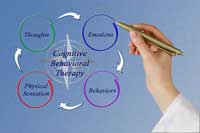
CBT is a short-term, goal-oriented psychotherapy that helps you identify and challenge unhelpful thought patterns and develop healthier coping mechanisms. It is highly effective for Anxiety, Depression, and PTSD β and its structured, practical, results-oriented approach resonates strongly with Sullivan County residents who value directness, efficiency, and measurable progress over open-ended process.
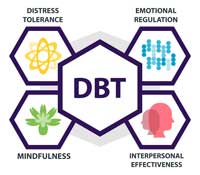
DBT teaches four core skill sets β Mindfulness, Distress Tolerance, Emotion Regulation, and Interpersonal Effectiveness β to help you navigate overwhelming emotions and build healthier relationships. Especially effective for borderline personality disorder, self-harm, and suicidal ideation.
EMDR (Eye Movement Desensitization and Reprocessing) is a gold-standard treatment for trauma and PTSD. It involves recalling disturbing memories while focusing on bilateral stimulation, helping your brain reprocess traumatic memories and reduce their emotional intensity. Effective for PTSD, Anxiety, Phobias, and other trauma-related conditions.
Exposure and Response Prevention (ERP) Therapy
ERP is the gold-standard, evidence-based treatment for OCD and related Anxiety Disorders. It involves gradually exposing you to feared thoughts or situations while helping you resist compulsive responses β breaking the OCD cycle and restoring your sense of control.
PE is a type of CBT used to treat PTSD and Anxiety disorders. It involves gradually confronting feared memories and avoided situations in a safe environment. Through repeated exposure, the anxiety associated with trauma triggers diminishes over time β helping you reclaim your life.
Other Therapy Techniques
Narrative Therapy: Encourages you to tell your story, helping you understand and reclaim your own experiences β including the stories of families that built everything they had from forested land and then watched the economy that sustained them contract and disappear, of veterans who came home to a county that was proud of them and had no idea how to help them, of survivors who stayed in a beautiful and isolating place because it was home, and of people who have been carrying everything alone for so long that they have almost forgotten what it would feel like to put it down.
Somatic Experiencing: Focuses on your body's physical response to trauma and works to release stored tension β particularly valuable for rural residents, farmers, loggers, and first responders whose physical labor has normalized high physiological stress states and who carry the body memory of trauma in ways that talk therapy alone does not always reach.
Mindfulness and Relaxation Techniques: Meditation and deep breathing to help manage trauma-related stress and Anxiety β practices that can be grounded in the rhythms of the natural world that Sullivan County residents already know intimately: the forest, the seasons, the creek, the particular quality of presence that comes from living close to land that asks something real of you every single day.
Psychoeducation: Understanding trauma and its effects β including the specific patterns of rural isolation, post-extractive industrial grief, intergenerational Appalachian self-reliance, and the cumulative psychological weight of living in Pennsylvania's most remote county with no clinical support β to help you understand your own experiences in terms that feel honest, applicable, and genuinely useful.
Our Experienced Anxiety, Trauma, and PTSD Counselors
Our counselors are trained in Trauma-Informed Care and have extensive experience helping individuals heal from traumatic experiences β including the specific, quiet, and deeply accumulated trauma of life in Pennsylvania's most isolated county, where the land is breathtaking and the distance from help has always been measured in mountain miles and decades of silence.
Choose Sullivan County's Anxiety, PTSD, and Trauma Experts
Specialized Expertise: Certified Traumatologists β the only ones accessible to Sullivan County residents without a long drive across mountain terrain to a neighboring county. We treat trauma, PTSD, and anxiety as our primary focus, with advanced training and credentials that no provider within Sullivan County currently holds.
No Commute Required: Secure telehealth brings Pennsylvania's best trauma specialists directly to your home β in Laporte, Dushore, Forksville, Eagles Mere, Cherry Mills, or the most remote hollow in the Loyalsock watershed. The mountain roads and winter weather do not apply.
Personalized Approach: We recognize that trauma in Sullivan County has a specific shape β the isolation, the self-reliance, the logging legacy, the absence of help, the beauty of a place that asks a great deal of the people who choose to stay. Your care plan reflects your unique experience and the county that formed it.
Reaching out for help in a county that has always defined itself by its ability to manage without it takes a particular kind of courage. It is not weakness. It is the recognition that self-reliance has served you well and that it has its limits β that some wounds do not heal on their own, and that access to specialized care you have never had before can change things in ways that managing alone never could.
Contact us today to set up a free, confidential 10-minute consultation. We'll listen, answer your questions, and help you find the right path forward β from wherever in Sullivan County you are.
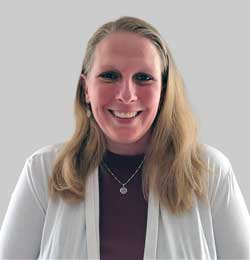
Cheryl has over 20 years of experience providing the highest-quality trauma and PTSD therapy to clients across Pennsylvania β including residents of the most isolated communities in the state, where the land is beautiful, the distance from help has always been enormous, and the people have been carrying wounds alone for years because there was simply no other option available to them. Telehealth changes that β completely.
"Sullivan County's people have always done everything the hard way β because there was no other way. They built their lives in one of the most remote and beautiful places in Pennsylvania, and they've carried their hardest moments alone because help was always a long mountain drive they couldn't always make. Telehealth closes that distance. Every person in this county deserves care that comes to them."