Northumberland County, PA Online Anxiety, PTSD, and Trauma Therapy

EMDR, CBT, DBT, PE, Brainspotting and More

Online Anxiety, PTSD, and Trauma Counseling for Northumberland County, PA
Advanced Counseling and Research Services
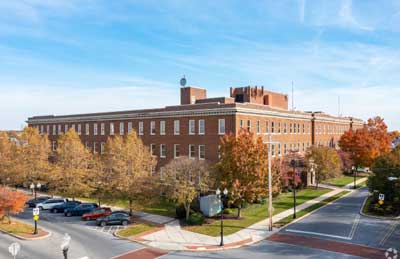
Advanced Counseling and Research Services Office
Office Location & Hours (Lancaster)
313 W Liberty St STE 224, Lancaster, PA 17603
Mon–Thu 9am–7pm | Fri 9am–5pm
Open in Google Maps
Anxiety/PTSD/Trauma Treatment Formats
Anxiety/PTSD/Trauma Therapy Modalities
Professional Accountability
Trauma Educational Services
Trauma Research Support
Clinical
Supervision
Online Anxiety, PTSD, and Trauma Counseling in Northumberland County, PA
Northumberland County's communities β€” from Sunbury at the confluence of the Susquehanna to Shamokin and the coal patches of the northern hills, from Milton along the West Branch to Kulpmont, Mount Carmel, and the river towns of the county's southern corridor β€” deserve specialized trauma care delivered by Pennsylvania's most qualified traumatologists. With telehealth, that care comes directly to you.

Northumberland County occupies a distinctive geographic position in central Pennsylvania, anchored by Sunbury at the point where the North and West Branches of the Susquehanna River converge β€” one of the most historically significant confluences in the state. From that river meeting point, the county extends northward into the southern fringes of Pennsylvania's anthracite coal region, encompassing Shamokin and Coal Township in its northeastern hills, and westward along the West Branch corridor through Milton. It is a county of striking internal contrasts: the county seat of Sunbury, the river-town character of Northumberland Borough and Milton, and the coal patch communities of Shamokin, Coal Township, Kulpmont, and Mount Carmel represent fundamentally different histories, economies, demographics, and trauma landscapes β€” yet all share the common reality of a county whose mental health infrastructure has never been equal to the weight its communities carry.

Northumberland County is a county that has been economically and psychologically shaped by two distinct industrial collapses β€” the decline of the anthracite coal industry in its northern communities, which dismantled an entire way of life over the course of the twentieth century, and the post-World War II deindustrialization of its river towns, which stripped the Sunbury and Milton corridors of the manufacturing employment that had sustained working-class families for generations. Layered on top of that long economic unraveling is one of the most severe opioid crises in central Pennsylvania β€” Shamokin and Coal Township have been identified repeatedly among the communities hardest hit by drug overdose in the state. The accumulated weight of all of this β€” the grief, the economic precarity, the addiction, the loss of institutional anchors β€” is a compound trauma burden that requires specialized clinical care.

At Advanced Counseling and Research Services, our licensed trauma specialists bring evidence-based, certified trauma therapy directly to you through secure telehealth β€” so you can access the highest-quality care available in Pennsylvania without a long drive to Danville or Bloomsburg. From Sunbury to Shamokin, from Milton to Kulpmont, we meet you where you are.

You don't have to leave Northumberland County to find a certified clinical trauma professional. Healing starts here.

Mental Health Conditions We Treat

  • Anxiety Disorders & Panic
  • ADHD & ADD
  • Depression
  • Grief & Loss
  • Obsessive-Compulsive Disorder (OCD)
  • Phobias
  • Post-Traumatic Stress Disorder (PTSD)
  • Substance Use & Co-Occurring Disorders
  • Trauma β€” Single Event and Complex/Chronic
  • Veteran & First Responder PTSD

Two Rivers, Two Collapses β€” Northumberland County's Compounded Trauma Burden

Northumberland County's communities carry real and distinct burdens shaped by the county's divided geography and history. Our certified clinical trauma professionals are trained to work with exactly this kind of complex, place-shaped trauma:

  • The anthracite coal collapse in the northern hills β€” Shamokin, Coal Township, Kulpmont, and Mount Carmel: The northern tier of Northumberland County sits at the southern edge of the anthracite coal region, and its communities β€” Shamokin, Coal Township, Kulpmont, Mount Carmel, and the surrounding coal patches β€” carry the full psychological weight of that industry's collapse. Built in the nineteenth and early twentieth centuries by waves of Eastern and Southern European immigrants β€” Polish, Italian, Lithuanian, Ukrainian, Slovak β€” who organized their entire lives around coal mining and the communities it created, these towns watched the industry contract and then disappear over the course of decades, leaving behind the physical infrastructure of a prosperous industrial era and a population with no equivalent replacement for what was lost. The multigenerational grief of those communities β€” the unspoken loss of identity, purpose, economic security, and community cohesion β€” represents one of central Pennsylvania's deepest and least clinically acknowledged trauma legacies. In Shamokin, one of the most economically distressed small cities in Pennsylvania, that grief has been compounded by sustained poverty, population loss, housing deterioration, and the opioid epidemic that arrived in communities already psychologically fragile from generations of post-industrial decline.
  • The opioid and fentanyl crisis β€” among the most severe in central Pennsylvania: Northumberland County, and Shamokin and Coal Township in particular, have been among the hardest-hit communities in Pennsylvania's opioid epidemic. The convergence of multigenerational post-industrial poverty, limited economic opportunity, social fragmentation, inadequate healthcare access, and the specific psychological vulnerability that chronic community-level trauma creates produced conditions in which addiction took hold with devastating force. Overdose rates in Shamokin have at times ranked among the highest in the state. Every family in Northumberland County touched by overdose β€” whether in the coal patch communities, along the river corridor, or in any of the county's smaller townships β€” carries unresolved grief, guilt, and trauma that requires specialized clinical care. Recovery from substance use disorder consistently and predictably fails without addressing the underlying trauma that drives it. ACRS's certified clinical trauma professionals are trained to treat co-occurring trauma and substance use comprehensively, and to understand the specific social and historical context in which addiction has taken root in Northumberland County's most affected communities.
  • Post-industrial decline in the river towns β€” Sunbury, Milton, Northumberland: The river corridor communities of Northumberland County β€” Sunbury, Northumberland Borough, and Milton β€” carry their own version of the post-industrial wound, shaped by the twentieth-century decline of manufacturing employment that had sustained working-class families along the Susquehanna's banks. These communities experienced the same erosion of economic identity and intergenerational stability that has shaped trauma patterns across Pennsylvania's deindustrialized towns β€” the loss of jobs that were the foundation not just of income but of community structure, masculine identity, family stability, and a sense of purpose that was never replaced. The physical evidence of that decline β€” vacant storefronts, deteriorating housing, reduced school enrollment, the quiet diminishment of once-active downtown districts β€” creates a chronic environmental context for depression, anxiety, and unresolved grief that is rarely addressed clinically.
  • Flood trauma along both branches of the Susquehanna: Northumberland County's position at the confluence of the North and West Branches of the Susquehanna places it in the flood shadow of both rivers simultaneously. The Agnes Flood of 1972 devastated communities along both corridors, and subsequent flood events β€” including major flooding along the West Branch in 2004 and the Susquehanna system broadly in 2011 β€” have revisited those wounds repeatedly. Sunbury and Northumberland Borough, situated directly at the confluence, are among the most flood-vulnerable communities in central Pennsylvania. The anticipatory anxiety that builds with every high-water event, the grief of repeated loss and rebuilding, and the trauma of watching a river both define and endanger the community you have always called home are specific clinical realities that ACRS's certified clinical trauma professionals are trained to recognize and treat.
  • Veteran and first responder trauma across a county of working-class service traditions: Northumberland County has a deep military service tradition rooted in the same working-class and immigrant communities that built its coal and manufacturing economy. Its fire departments, EMS services, and emergency personnel serve communities with significant poverty, concentrated addiction, and limited social services β€” environments where the frequency and intensity of traumatic calls is high and the institutional support for provider mental health is typically absent. The cumulative toll of that service, in communities where stoic endurance has always been the expected response to difficulty, accumulates untreated over careers and decades. Telehealth provides a path to specialized PTSD care for veterans and first responders that meets them where they are, on their own terms, without requiring them to walk into an office in a small county where their help-seeking would be visible to everyone they serve.
  • Domestic violence in communities shaped by economic stress and limited options: The combination of concentrated poverty, high rates of substance use, post-industrial community fragmentation, and limited economic options for survivors creates conditions in which domestic violence is both more prevalent and harder to escape in Northumberland County's most stressed communities. For survivors in Shamokin, Coal Township, and the county's other economically distressed areas, leaving safely requires resources β€” transportation, housing, economic stability, childcare β€” that concentrated poverty makes difficult to access. Telehealth provides a path to trauma-informed care that does not depend on any of those resources and that can be accessed from home, privately, in the moments when it is safe to do so.
  • The specific trauma of concentrated urban poverty and Adverse Childhood Experiences: In Shamokin and Coal Township, decades of concentrated poverty, housing instability, school underfunding, exposure to community violence and overdose, and the specific adversities of growing up in one of Pennsylvania's most economically distressed communities create Adverse Childhood Experience (ACE) burdens that without specialized clinical care persist as trauma throughout the lifespan. Children who grow up amid chronic community-level stress carry that stress into adulthood in physiological, psychological, and relational forms that manifest as anxiety, depression, PTSD, and substance use β€” and that respond to the evidence-based trauma modalities ACRS's certified clinical trauma professionals are trained to deliver.

ACRS's certified clinical trauma professionals are trained specifically to work with complex, layered trauma β€” not just acute single-event PTSD. We meet you where you are.

Why Northumberland County Residents Choose ACRS

Personalized, Trauma-Informed Care β€” Delivered to Your Home

We work collaboratively with you to develop a Trauma-Informed Care Plan that addresses your specific needs and goals.

Individual Treatment
Individual Trauma and PTSD Treatment

One-on-one sessions with a certified traumatologist β€” via secure video on your phone, tablet, or computer.

Group Treatment
Group Trauma and PTSD Treatment

Facilitated online sessions where you share your experiences and heal alongside others who understand.

Online Telehealth
Telehealth Trauma and PTSD Treatment

Secure, HIPAA-compliant video therapy from the comfort and privacy of your own home.

Concierge Counseling
Concierge Trauma and PTSD Counseling

A highly personalized, private approach to care with maximum flexibility and attention.

Veterans PTSD Support
Veteran PTSD Support Program

Specialized, compassionate PTSD care for Northumberland County veterans and active military families. You served β€” you deserve care that understands what you've been through.

First Responders

Northumberland County's firefighters and EMS crews serve communities with some of the highest overdose rates in central Pennsylvania β€” responding to crises among people they have known their entire lives, in neighborhoods shaped by generations of compounded hardship. Our trauma specialists understand the cumulative toll of that work and provide confidential, effective telehealth care on your schedule, from your home.

Survivors of Domestic Violence

Individuals With Substance Use Disorders

Why Telehealth Works β€” Especially in Northumberland County

Northumberland County spans two very different trauma landscapes β€” the coal patch communities of the north and the river towns of the south β€” and the barriers to care are real across both. Shamokin's residents face limited local provider availability, deep economic barriers to private pay care, and the privacy concerns of a small city where seeking help is a visible act. The river corridor communities of Sunbury and Milton have better geographic access to Danville and Geisinger β€” but Geisinger's wait times, institutional structure, and lack of specialized independent trauma practitioners leave many residents without the focused care they need. Across the county, certified clinical trauma professionals in independent outpatient practice are effectively absent.

Telehealth removes those barriers completely. With today's secure video technology, your session with an ACRS certified traumatologist is every bit as effective and connected as being in the same room. You see your therapist's face. They see yours. The therapeutic relationship is real β€” and so are the results.

  • No long drive on Route 61, Route 11, or Interstate 80 before or after a difficult session.
  • Sessions fit around your work schedule and family commitments β€” including evenings through Thursday.
  • You're in your own home β€” your own comfortable, private space, without the visibility that seeking help in a small city or borough inevitably creates.
  • You have access to Pennsylvania's best trauma specialists β€” certified clinical trauma professionals with advanced credentials, not general behavioral health practitioners with months-long waitlists.
  • It works. Evidence-based telehealth therapy delivers outcomes comparable to in-person care for trauma, anxiety, and PTSD.

You must be physically located in Pennsylvania during your telehealth session. Our Lancaster office is approximately 65–80 miles from Sunbury and Shamokin via U.S. Route 15 and Route 61 β€” and you are always welcome to visit us in person if you prefer.

ACRS Treatment Modalities for Anxiety, Trauma, and PTSD

Brainspotting Therapy

Brainspotting Therapy

Brainspotting operates on the principle that where you look affects how you feel. A therapist helps you identify "brainspots" β€” eye positions linked to stored emotional experiences or trauma in the brain. By maintaining focus on the brainspot while fostering mindfulness and connection, the brain processes and releases unresolved emotions at a profound neurobiological level.

Brainspotting is effective for PTSD, Anxiety, Depression, chronic pain, and performance issues β€” and is particularly well-suited to the deeply layered, historically rooted trauma of Northumberland County communities shaped by two distinct industrial collapses, the opioid epidemic's devastating passage through Shamokin and Coal Township, and the long accumulation of wounds that have rarely had a clinical space to be named and treated.

Cognitive Behavioral Therapy (CBT)

CBT Therapy

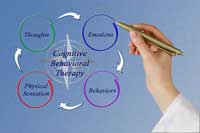
CBT is a short-term, goal-oriented psychotherapy that helps you identify and challenge unhelpful thought patterns and develop healthier coping mechanisms. It is highly effective for Anxiety, Depression, and PTSD β€” and its structured, practical approach resonates especially well with clients who value concrete, measurable progress and who have rarely had the experience of a therapy that takes their specific circumstances seriously.

Dialectical Behavior Therapy (DBT)

DBT Therapy

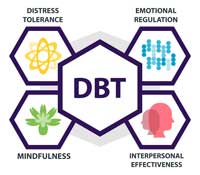
DBT teaches four core skill sets β€” Mindfulness, Distress Tolerance, Emotion Regulation, and Interpersonal Effectiveness β€” to help you navigate overwhelming emotions and build healthier relationships. Especially effective for borderline personality disorder, self-harm, and suicidal ideation.

EMDR Therapy

EMDR Therapy

EMDR (Eye Movement Desensitization and Reprocessing) is a gold-standard treatment for trauma and PTSD. It involves recalling disturbing memories while focusing on bilateral stimulation, helping your brain reprocess traumatic memories and reduce their emotional intensity. Effective for PTSD, Anxiety, Phobias, and other trauma-related conditions.

Exposure and Response Prevention (ERP) Therapy

ERP Therapy

ERP is the gold-standard, evidence-based treatment for OCD and related Anxiety Disorders. It involves gradually exposing you to feared thoughts or situations while helping you resist compulsive responses β€” breaking the OCD cycle and restoring your sense of control.

Prolonged Exposure Therapy (PE)

PE Therapy

PE is a type of CBT used to treat PTSD and Anxiety disorders. It involves gradually confronting feared memories and avoided situations in a safe environment. Through repeated exposure, the anxiety associated with trauma triggers diminishes over time β€” helping you reclaim your life.

Other Therapy Techniques

  • Narrative Therapy: Encourages you to tell your story, helping you understand and reclaim your own experiences β€” including the stories of coal patch communities whose industry and identity were taken from them, of people who lost someone to an overdose in a county where overdoses became normal, and of the quiet survivors across the river towns and the hills who have been carrying everything for longer than anyone ever asked.
  • Somatic Experiencing: Focuses on your body's physical response to trauma and works to release stored tension β€” particularly valuable for individuals whose chronic exposure to community-level trauma, poverty, and interpersonal violence has normalized physiological states of hypervigilance and stress that they no longer consciously register as distress.
  • Mindfulness and Relaxation Techniques: Meditation and deep breathing to help manage trauma-related stress and Anxiety β€” practices that help Northumberland County residents find stability and internal grounding amid the ongoing pressures of life in communities still absorbing the weight of multiple compounded crises.
  • Psychoeducation: Understanding trauma and its effects β€” including the patterns specific to post-industrial community grief, multigenerational poverty, the opioid epidemic's legacy, flood trauma, racial and ethnic marginalization, and the Adverse Childhood Experiences that shape the lifespan of children who grow up in concentrated poverty β€” to help you understand your own experiences in clinical terms that feel honest and applicable.

Our Experienced Anxiety, Trauma, and PTSD Counselors

Our counselors are trained in Trauma-Informed Care and have extensive experience helping individuals heal from traumatic experiences β€” including the deeply compounded, historically layered, and often invisible trauma that shapes life across Northumberland County's diverse communities, from the coal patches of Shamokin to the riverbanks of Sunbury, from the neighborhoods of the northern hills to the working-class boroughs of the West Branch valley.

Cheryl Wilson-Smith
Chief Executive Officer
Cheryl Wilson-Smith, MA, LPC – Chief Clinical Officer and trauma expert
  • Licensed Professional Counselor (LPC)
    • Pa. Lic. PC006514
    • Fl. Lic. TPMC1044
  • Certified Traumatologist (CT)
  • National Certified Counselor (NCC)
  • Certified Clinical Mental Health Counselor (CCMHC)
  • Certified Clinical Trauma Professional (CCTP)
  • Certified in Emergency Crisis Response (CECR)
  • Neuropsychotherapist Certified (NPT-C)
  • Master of Arts (MA)
  • 20+ years of clinical experience.
  • Worked with clients across the lifespan.

Read Cheryl's Profile

Cheryl Wilson-Smith's LinkedIn Profile
Cady R. Monasmith
Chief Clinical Officer
Cady Monasmith, MA, LPC – Licensed trauma and DBT therapist
  • Licensed Professional Counselor (PA-015668)
  • Certified Dialectical Behavioral Therapist (C-DBT)
  • Certified Clinical Trauma Professional (CCTP)
  • Certified Dancing Mindfulness Facilitator (CDMF)
  • Bachelor of Fine Arts (BFA)

Read Cady's Profile

Kim Civitarese
Chief Administrative Officer
Trauma Therapist Kim Civitarese
  • Licensed Associate Professional Counselor (LAPC)
  • Cognitive Processing Therapist (CPT)
    Pre-licensed Clinician
  • Certified Grief Informed Professional (CGP)

Experience working with adolescents, couples, the elderly population, blended families, and families in the adoption process.

Read Kim's Profile

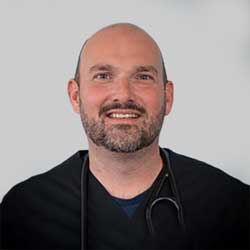
Jason Houghton
Psychiatric Mental Health Nurse Practitioner
Jason Houghton, CRNP
  • Psych/Mental Health Nurse Practitioner Education β€” Johns Hopkins University
  • CRNP License: SP025306
  • RN License: RN606119
  • MSN β€” Duquesne University
  • BSN β€” Messiah University

Read Jason's Profile

Kailee Morgan
Clinician
Kailee Morgan, MSW, LAPC
  • Master of Social Work (MSW)
  • Licensed Associate Professional Counselor (LAPC)

Specializes in anxiety, ADHD & ADD, and depression.

Read Kailee's Profile

Choose Northumberland County's Anxiety, PTSD, and Trauma Experts

  • Specialized Expertise: Certified Traumatologists β€” not general counselors with long waitlists. We treat trauma, PTSD, and anxiety as our primary focus, with advanced training and credentials to match. This includes the full spectrum of trauma that Northumberland County's communities carry: coal region collapse, the opioid epidemic, flood trauma, post-industrial grief, and ACE-driven complex trauma.
  • No Commute Required: Secure telehealth brings Pennsylvania's best trauma specialists directly to your home in Sunbury, Shamokin, Milton, Kulpmont, Northumberland Borough, or anywhere in the county β€” including the coal patches and river communities where specialized care has never been locally available.
  • Personalized Approach: Northumberland County is not one county β€” it is two distinct trauma landscapes joined by geography. We recognize that difference and build care plans that reflect it. Your experience is your own, and so is your path to healing.

Taking the first step toward healing takes real courage β€” especially in a county where the wounds run generations deep, where the institutions that should have helped have often fallen short, and where asking for help has always required something that wasn't freely available: the sense that someone qualified to help you actually understood where you came from. We do. And telehealth brings that understanding directly to you.

Contact us today to set up a free, confidential 10-minute consultation. We'll listen, answer your questions, and help you find the right path forward.

Contact Us Online or

Call Us at 717-394-3994

Cheryl Wilson-Smith
Chief Executive Officer

Cheryl has over 20 years of experience providing the highest-quality trauma and PTSD therapy to clients across Pennsylvania β€” including residents of communities shaped by industrial collapse, the opioid epidemic, and the particular compound weight that comes from living in a county where multiple generations of hardship have accumulated without ever finding adequate clinical care.

Cheryl Wilson-Smith, Chief Clinical Officer β€” Trauma and PTSD Specialist
  • Licensed Professional Counselor (LPC)
    • Pa. Lic. PC006514
    • Fl. Lic. TPMC1044
  • Certified Traumatologist (CT)
  • National Certified Counselor (NCC)
  • Certified Clinical Mental Health Counselor (CCMHC)
  • Certified Clinical Trauma Professional (CCTP)
  • Certified in Emergency Crisis Response (CECR)
  • Neuropsychotherapist Certified (NPT-C)
  • Master of Arts (MA)
  • 20+ years of clinical experience.
  • Worked with clients across the lifespan.

Read Cheryl's Profile

"Northumberland County holds two very different stories of loss β€” the coal patches of Shamokin and the river towns of Sunbury and Milton β€” and both deserve trauma care that understands the specific weight each community carries. The veterans, the first responders, the people touched by the opioid epidemic β€” every one of them deserves care that sees them clearly. Telehealth brings that care to every corner of this county."

β€” Cheryl Wilson-Smith
Cheryl Wilson-Smith's LinkedIn Profile

Take the First Step – Contact Us Today

Secure & Confidential β€’ Free 10-minute consultation